
Get started with Veea

Tell us about your sites and what you want to run on them, and a Veea team member will follow up.

Prefer the full page? Go to Contact.

Distributed edge cloud

Every site becomes
its own region.

A cloud region brings compute, storage, orchestration and networking together in one place. MetaLynx™ brings those capabilities to every site you operate—creating a distributed edge system that is managed as one.
Bar charts, line graphs, radial gauges and a world map composited in translucent overlay above a desk with a keyboard and a coffee cup
A night-time city skyline overlaid with a connected network of nodes and lines
  • Agentic edge AI
  • Federated learning
  • Local inferencing
  • Digital twins
  • Streaming analytics
  • Distributed orchestration
  • Secured Docker
  • Zero Trust
  • Trust domains
  • NVMe storage
  • AI acceleration
  • Data sovereignty
  • 5G
  • LTE
  • Wi-Fi
  • LoRaWAN
  • Ethernet
  • BLE
  • Zigbee
  • Matter
  • MQTT
  • Modbus
  • BACnet
  • Azure IoT
  • AWS IoT Greengrass
At a glance

Distributed, private, and built to grow

  • Distributed edge intelligence

    AI applications, data processing and automation run at the edge, so decisions and operations stay local.

  • Privacy by architecture

    Local processing and federated learning reduce the need to move raw data, while Zero Trust architecture and containerized applications help protect it.

  • Scales site by site

    Add locations as needed—from a single building to a global fleet—while each site retains local compute, storage and control.

At scale

One system. Every site autonomous.

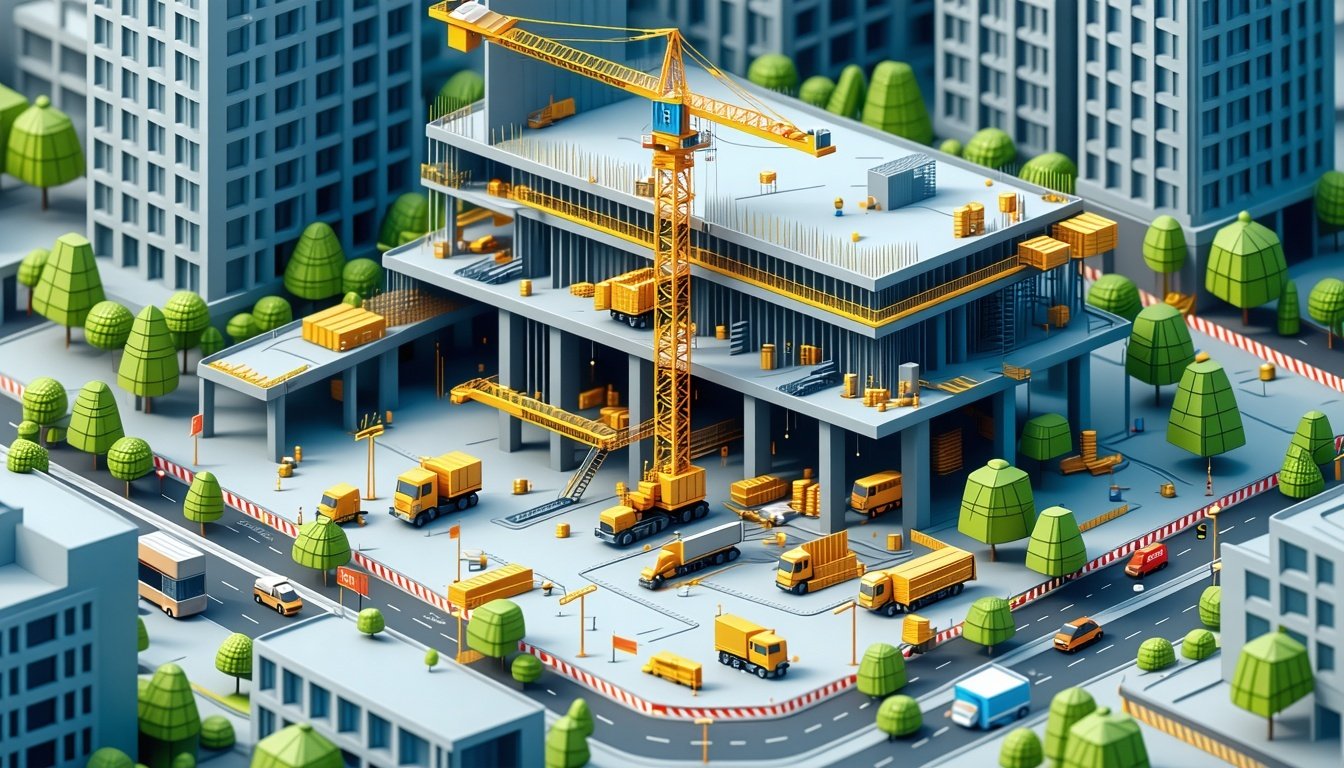
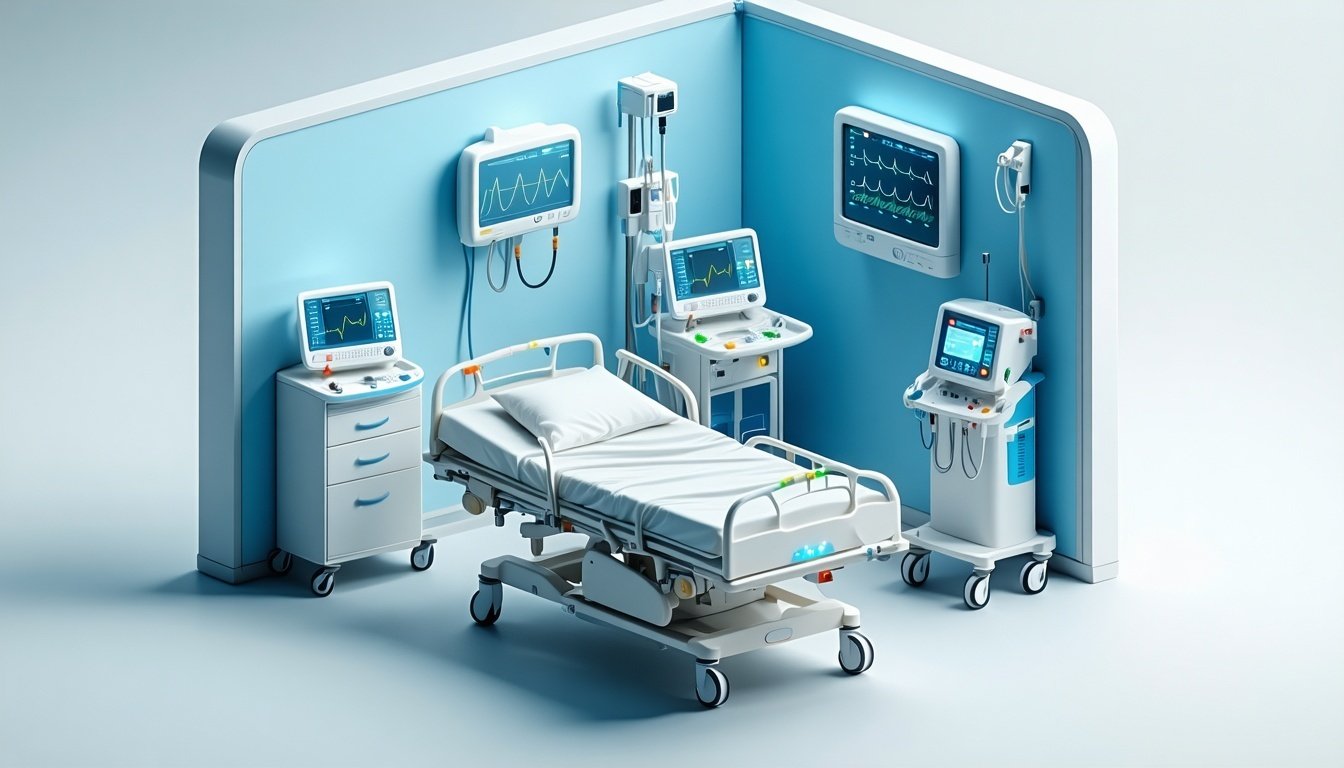
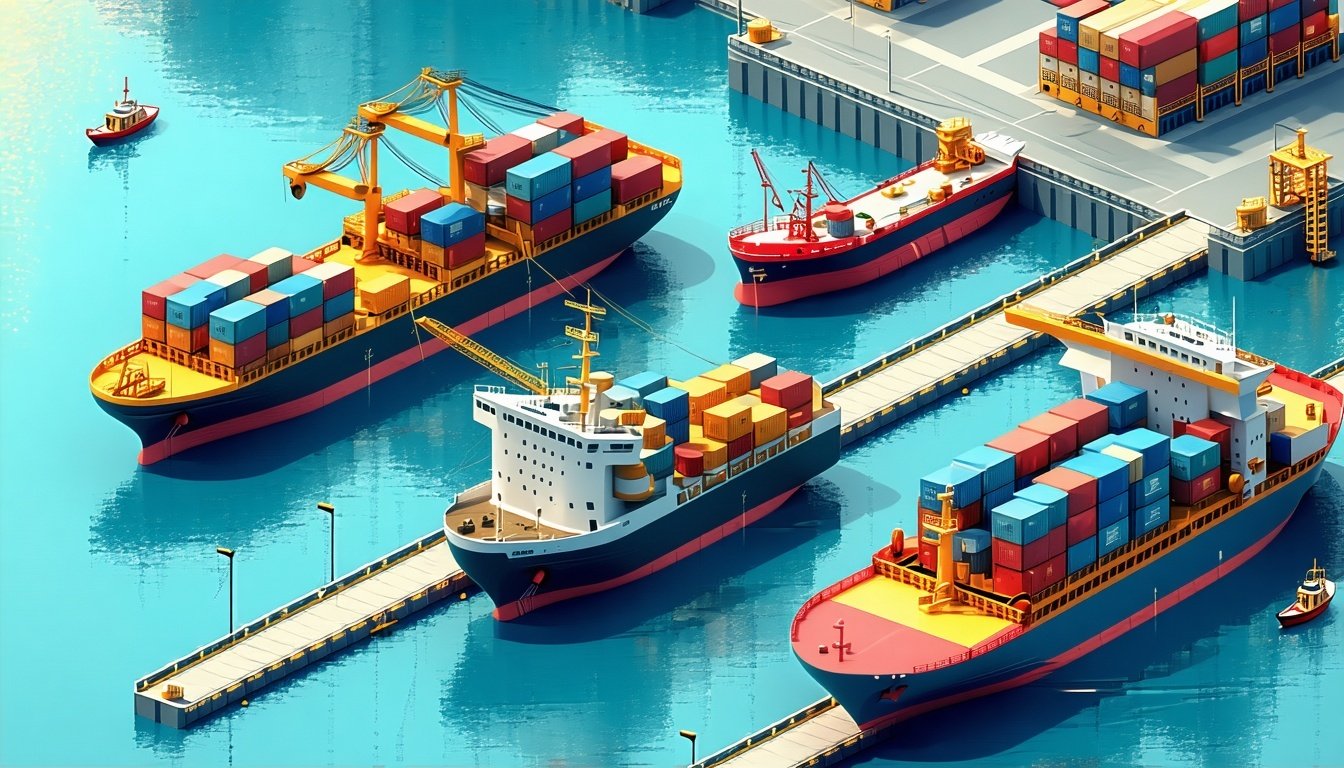
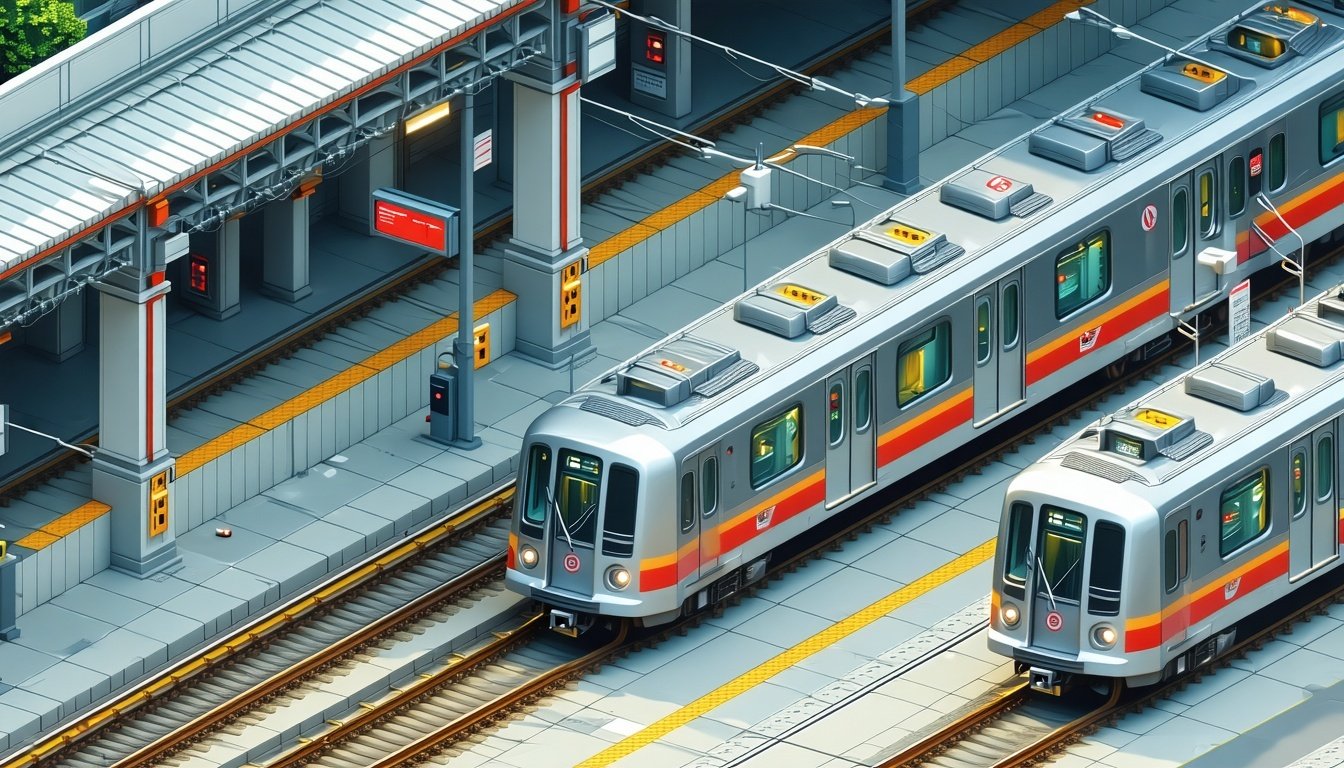
Factories, hospital wards, rail platforms and stores are very different environments. MetaLynx treats each as an autonomous edge region with its own compute, storage and models, while coordinating operations across the full deployment.

New sites join the system without requiring existing sites to be redesigned, and an interruption at one location does not stop the others from operating.

Each site operates locally while participating in the larger system. A new site joins without becoming a dependency for the sites already running.

  • Factory
  • Ward
  • Rail platform
  • Depot
  • Campus
  • Clinic
  • Terminal
  • Store
  • Yard
  • Plant
  • New site

Each site operates independently while participating in the larger system. New sites can be added without redesigning—or creating a dependency for—the locations already running.

Any one of them

What makes it a region

Five layers work together at every site, whether it is a factory, hospital ward or rail platform.

Connectivity 5G, LTE, Wi-Fi, LoRaWAN, Ethernet, BLE, Zigbee, Matter and legacy protocol adapters.
Orchestration Application orchestration, service discovery and secure update management.
AI & data Federated learning, local inferencing, streaming analytics and contextual processing.
Containerization Secure containers, sandboxed microservices and support for multi-tenant workloads.
Edge hardware VeeaHubs with AI acceleration, TPM-secured compute and mesh networking.
Key innovations

Six capabilities, one distributed edge platform

  • Autonomy

    Agentic edge AI

    Run inference locally and support federated learning across sites, allowing models to improve without routinely moving raw data to a central cloud.

    Autonomy

    Agentic edge AI

    Each cluster runs inference locally and takes part in federated learning workflows. The decentralized model accelerates AI deployment, improves privacy and allows continuous learning without exposing raw data to a central server.

    • Autonomous AI agents deployed at the edge inside secured containers.
    • Federated learning workflows that train models locally.
    • Continuous improvement without a raw-data pipeline out of the site.
  • Orchestration

    Distributed orchestration

    Manage VeeaHubs and supported third-party devices as one distributed system, coordinating applications, compute, storage and networking across sites.

    Orchestration

    Distributed orchestration

    MetaLynx treats the whole estate as a single pool. Workloads, storage and network resources are allocated across the mesh rather than pinned to a box, which is what makes adding capacity an operation rather than a redesign.

    • Self-configuring mesh networking with dynamic resource allocation.
    • Containerized applications, AI models and services deployed and updated across distributed nodes with minimal latency or bandwidth.
    • A single distributed system spanning VeeaHubs and third-party devices.
  • Sovereignty

    Privacy-first data management

    Process data at the edge and keep sensitive information local unless a policy or application explicitly sends it elsewhere.

    Sovereignty

    Privacy-first data management

    Data sovereignty is a property of where the processing happens, not of a setting somebody remembered to switch on. With inference and training local, the default is that nothing leaves.

    • On-device data processing as the normal path.
    • Federated learning so model quality does not require data movement.
    • Addresses compliance, privacy and security concerns structurally.
  • Simulation

    Digital twins

    Combine live IoT data with local AI to support on-site monitoring, simulation and predictive maintenance.

    Simulation

    Digital twins

    A twin is only useful if it is current, and it is only current if the data feeding it does not have to make a round trip. Local AI is what keeps the model in step with the thing it mirrors.

    • Real-time simulation, monitoring and predictive maintenance.
    • Applied across smart manufacturing, precision agriculture, energy grids and smart cities.
    • Integrates with Zero Gap AI where a workload outgrows the site.
  • Execution

    Secure containerized applications

    Run applications in isolated containers on VeeaHubs, supported by hardware-anchored trust and policy controls.

    Execution

    Secure containerized applications

    Containers give the isolation; the hardware root of trust gives the reason to believe it. Together they are what lets a multi-tenant edge exist at all.

    • Secured Docker™ containers providing a trusted execution environment.
    • End-to-end Zero Trust with hardware-anchored trust domains.
    • Integrates with Azure IoT, AWS IoT Greengrass and custom enterprise applications.
  • Reach

    Multi-protocol by design

    Connect 5G, Wi-Fi, LoRaWAN, BLE, Zigbee, Matter and supported legacy systems through the same edge platform.

    Reach

    Multi-protocol by design

    A distributed platform is only as distributed as the things it can actually reach. Protocol breadth is what stops a deployment stalling on the one subsystem nobody wants to replace.

    • 5G, LTE, Wi-Fi, LoRaWAN, Ethernet, BLE, Zigbee and Matter.
    • Legacy protocol adapters for equipment already in place.
    • Multi-access and multi-WAN, so a site is not defined by one uplink.
Zero Trust

Nothing crosses a trust boundary until policy allows it

A flat network can allow a compromised device to reach systems it was never meant to see. MetaLynx assigns devices and users to hardware-backed trust domains, then uses explicit policies to control traffic between them.

From ↓  /  To → Operations Guest Building systems Internet
Operations Allowed, same domain Denied Denied Allowed by policy
Guest Denied Allowed, same domain Denied Allowed by policy
Building systems Allowed by policy Denied Allowed, same domain Denied
Inside its own domain Opened by an explicit policy Denied — the default

The permitted path is explicit: building systems can send telemetry to Operations because policy allows it. Traffic between other domains remains blocked unless another rule is added. Trust Domains and hardware-backed security help keep devices within the access policies assigned to them.

Federated learning

The model travels. The data stays.

Traditional centralized training moves data to a central environment. Federated learning sends a shared model to participating sites, where it is trained using local data. Each site returns model updates—not its raw training data—for aggregation into an improved shared model.

Step one Training happens on site Each participating site trains the model using its own cameras, sensors, machines and records, supported by local AI acceleration. Raw training data stays local
Step two Only the updates travel Each site returns model updates to the aggregation service instead of sending its underlying records. Updates, not records
Step three The updates are aggregated Updates from participating sites are combined into an improved shared model without collecting their raw training data. Participating sites contribute
The updated model returns to each site

The loop runs continuously, so a model that learns something at one location is a model every location has by the next cycle. It is the only way to get the benefit of a large dataset without ever assembling one.

How it fits together

From a sensor to your cloud, and back

Devices connect through the protocol that fits them. At each site, VeeaHubs form a resilient mesh that provides connectivity, compute and storage. VeeaCloud manages configuration, software and system health without sitting in the local data path.

Data is sent to public, private or enterprise clouds when the application or policy requires it.

Edge Devices & endpoints Existing and new devices connecting across supported protocols. Sensors, cameras, meters POS, screens, printers Laptops and phones BLEWi-FiLoRaZigbee5GLTE
On site vMesh A self-healing, self-organizing cluster of VeeaHubs. Connectivity and compute Containerized applications Microservices and local AI Edge intelligence and storage Wired or wirelessSecurity built in
Platform VeeaCloud Configures, updates and monitors the mesh without sitting in the local data path. Management & authentication Activation & configuration Bootstrap and image servers Control Center · VeeaHub Manager Web consoleMobile app
Yours Public & private clouds Your existing systems receive the data and events you choose to send. Azure IoT AWS IoT Greengrass Google Cloud Your own applications Optional

Local applications can continue operating when backhaul or cloud connectivity is interrupted. VeeaCloud provisions, updates and monitors the mesh; when connectivity returns, the site can synchronize data and status.

Buildings

Containerized Niagara, running at the edge

Developed in collaboration with Tridium, Containerized Portable Niagara runs on VeeaHubs, bringing building management, local processing and flexible connectivity closer to the systems being controlled.

  • Collect and process building-system data at the edge while maintaining policy-based separation between OT and IT networks
  • Extend connectivity across brownfield and greenfield sites with wireless mesh
  • Use fiber or integrated 4G/5G backhaul where structured cabling is unavailable
  • Manage versions, deployments, backup and restore centrally
  • Connect LoRaWAN devices through ChirpStack, with support for Wi-Fi, MQTT, Modbus, BACnet and Zigbee
  • Add services such as SecureConnect and AdEdge on the same VeeaHub infrastructure

In practice, existing Niagara deployments gain local intelligence, wireless connectivity and remote management without requiring the building management system to be replaced.
Side by side

Local autonomy with cloud-scale management

On-premise AI Yours, and fixed Cloud AI Elastic, and elsewhere MetaLynx Distributed, AI-first
Data privacy and security Partial Partial
Observability Partial Partial
Data locality Yes Partial
On-prem performance Yes No
AI at machine speed Yes No
No ingress/egress fees Yes No
Scalable and burstable No Yes
Fast hardware refresh No Yes
Low capital intensity No Yes
Low operational complexity No Yes
Consumable as a service No Yes
Network included No No
Integrated edge networks No No

The same comparison, made for AI workloads on a private fabric specifically, runs on Zero Gap AI.

Where it runs

Twelve industries. One distributed foundation.

Before you ask

The questions that decide it

How is this different from putting servers at each site?

A server provides compute at one location. MetaLynx combines compute, storage, connectivity, application orchestration and local AI across many sites with centralized management and local autonomy. The distinction matters when multiple locations must operate as an integrated system.

Does federated learning actually improve the model?

It can. Each site trains on its local data and returns model updates for aggregation. When participating datasets are useful and representative, the shared model can improve without collecting all raw training data in one place.

What happens when a site loses its connection?

Workloads designed for local execution—including inference and automation—continue during temporary uplink loss. Remote management and cloud services may become unavailable. Upon reconnection, the site synchronizes its status and data with VeeaCloud.

Can it work with the cloud we already use?

Yes. MetaLynx complements existing cloud environments and integrates with Azure IoT, AWS IoT Greengrass, and custom enterprise systems. Operators control which data leaves the site, while workloads requiring additional capacity can access cloud or near-edge compute.

What about the equipment already installed?

MetaLynx supports modern and legacy connectivity, including Modbus, BACnet, Wi-Fi, LoRaWAN, BLE, Zigbee and Matter. Existing equipment remains operational while VeeaHubs provide protocol integration, local processing, and secure connectivity.

Who is this actually for?

MetaLynx targets enterprises operating distributed sites, service providers delivering managed edge services, and integrators building industry-specific solutions—each using the same platform differently.

How many sites are you running?

Tell us how many sites you operate, where they are, and what workloads and data need to stay local. We'll help you map out a practical first deployment.