Shopper engagement
Make the trip more useful with product discovery, offers, navigation, and shopping-list support where retailer systems allow.

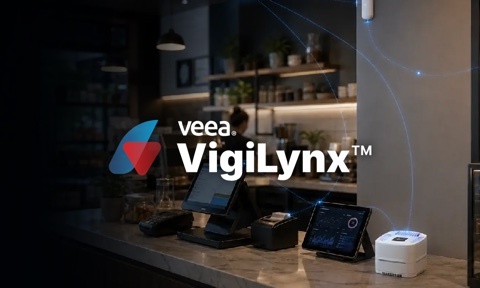
Turn smart carts into connected store intelligence and retail media endpoints.
VeeaONE, TROLLEE, and AdEdge help retailers connect carts, store systems, local intelligence, and contextual media inside physical retail environments.
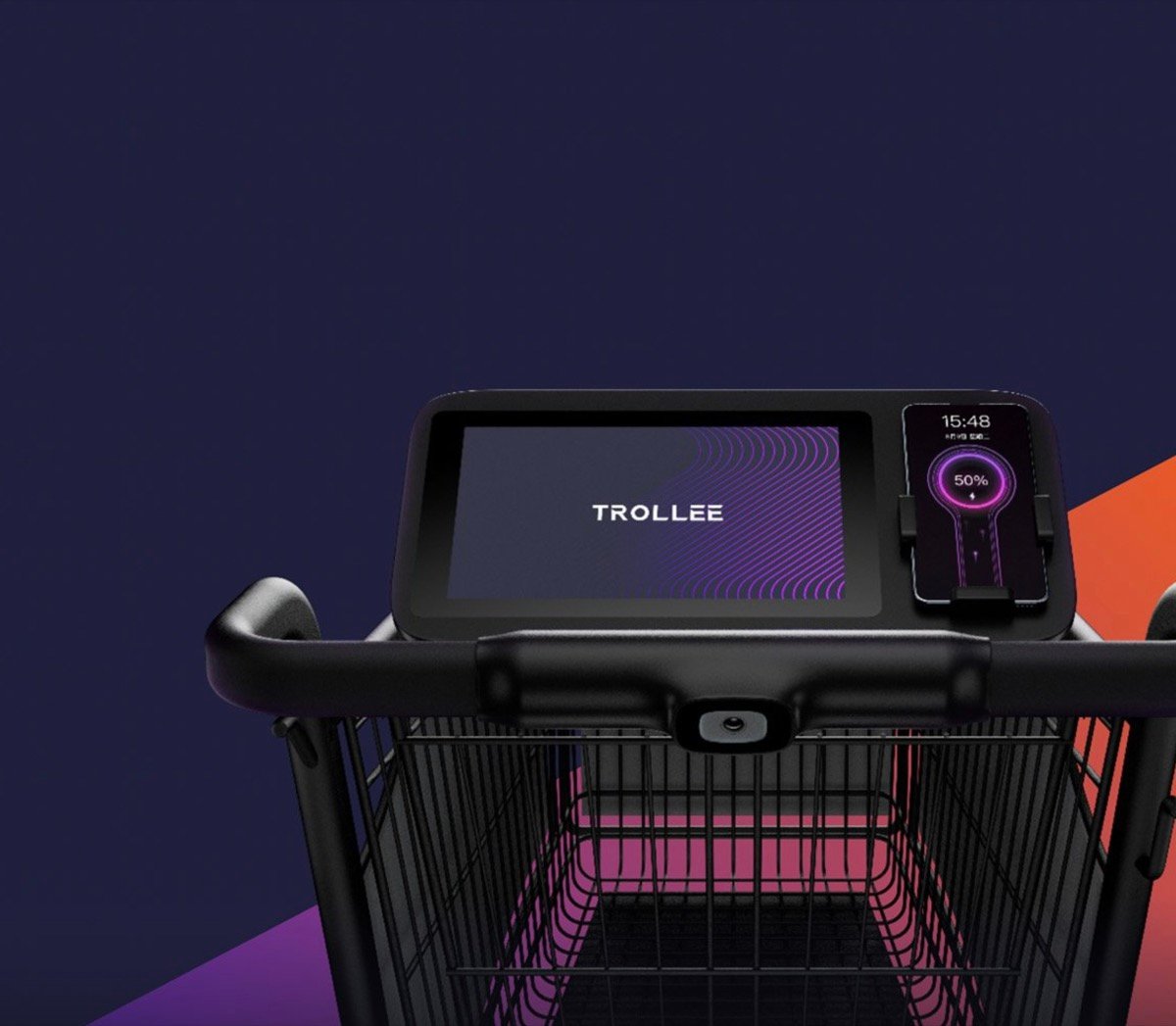
Retailers are adding smart devices, cameras, apps, loyalty systems, digital signage, checkout tools, inventory workflows, and retail media programs. The store floor is becoming digital, but many systems still operate separately.
The opportunity is not another disconnected screen. It is to connect shopper-facing endpoints, store systems, and contextual media through a local intelligence layer close to where shopper decisions and store operations happen.
Veea and TROLLEE help make the store floor more understandable, manageable, and monetizable.
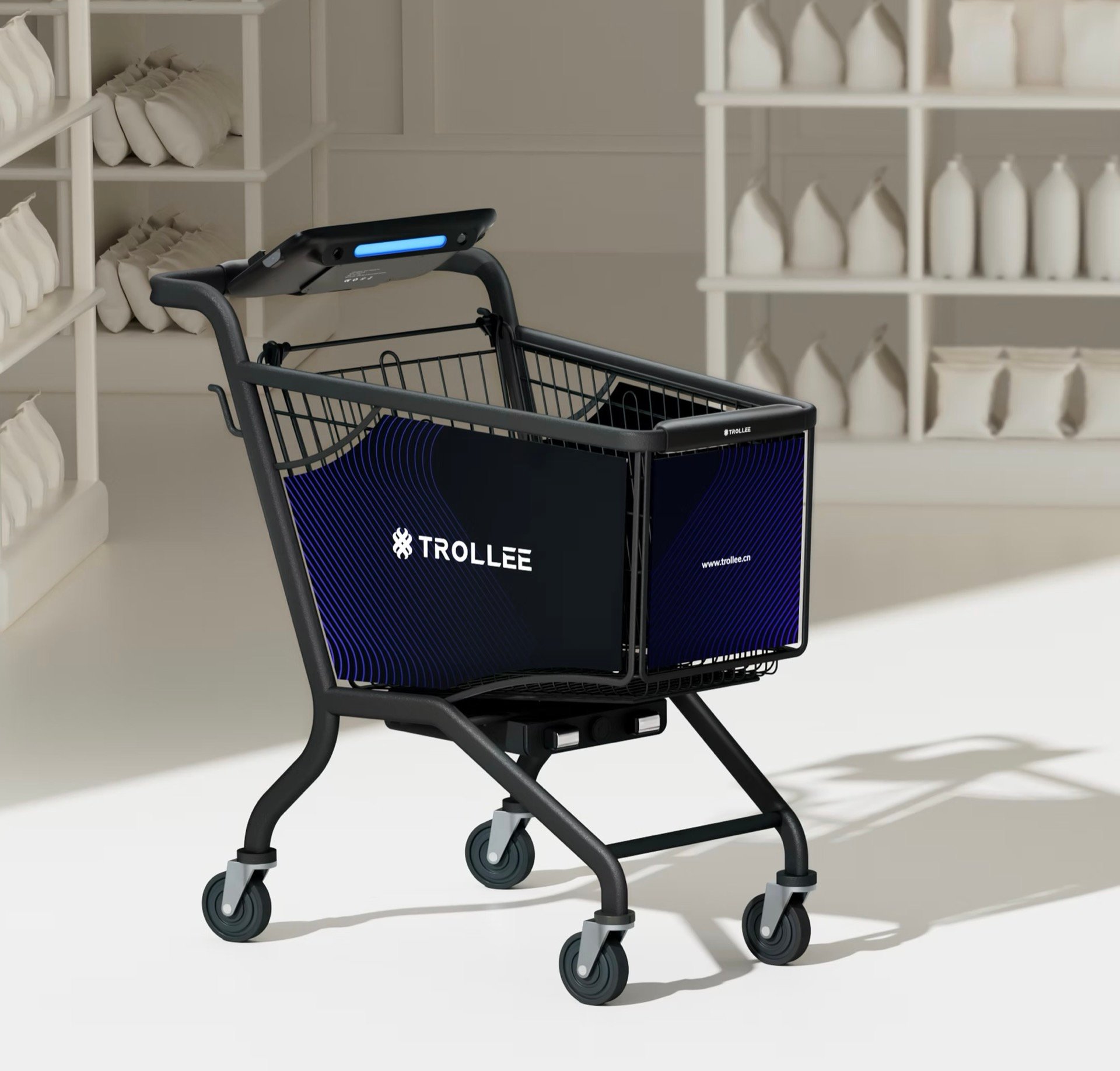
A smart cart stays with the shopper throughout the trip. That makes it a practical interface for product discovery, shopping assistance, cart-based workflows, and contextual media inside the store.
Connected to VeeaONE, that moving interface becomes part of a managed local intelligence environment instead of another isolated device on the floor.
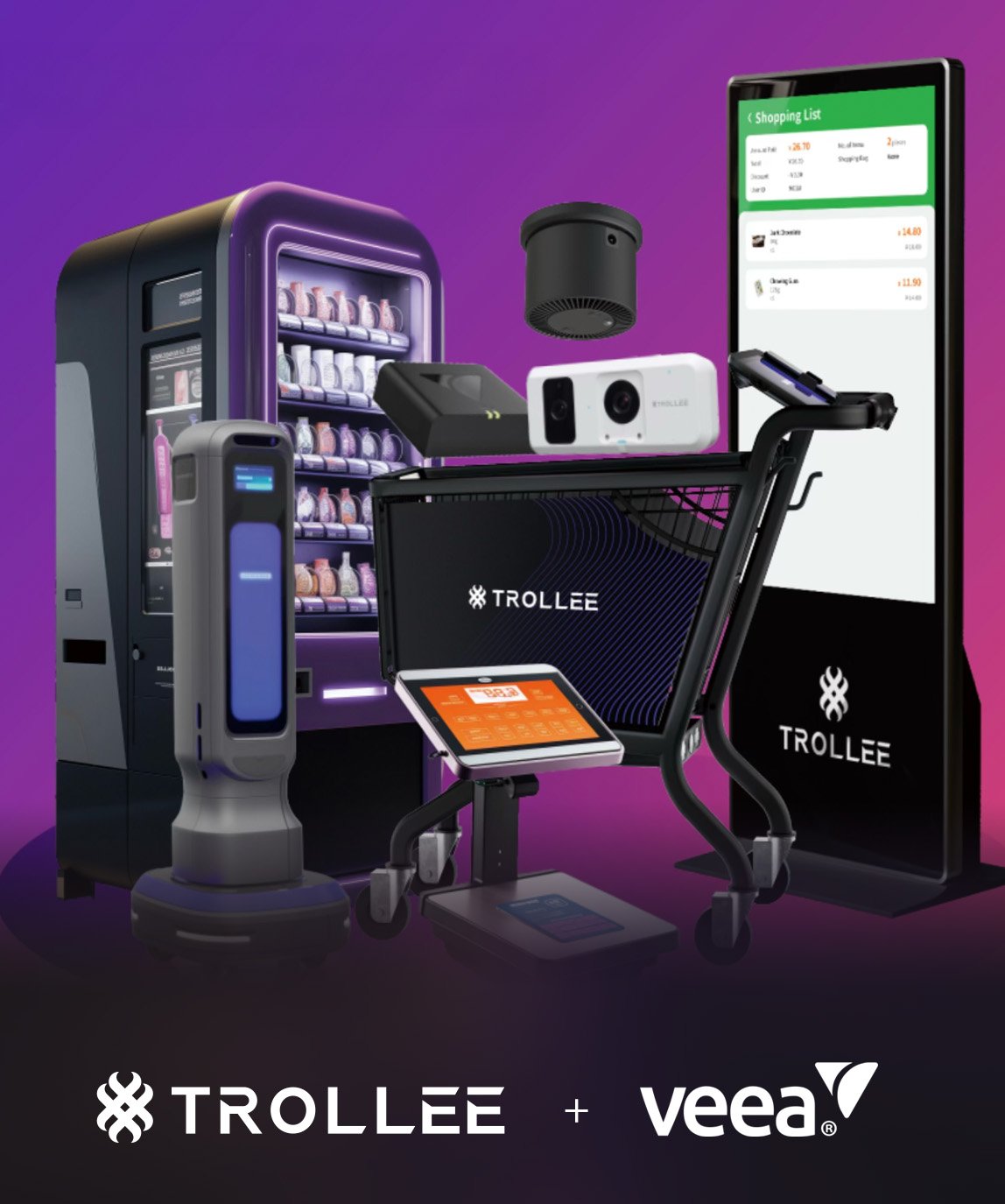
The stack connects carts, cameras, displays, sensors, applications, and retailer systems through a local intelligence layer. VeeaONE provides the secure edge footprint for connectivity, orchestration, local AI execution, cybersecurity, and cloud management. AdEdge adds the campaign and retail media layer for approved cart and in-store surfaces. Retailer systems define the integrations, privacy rules, campaign logic, and deployment scope.
The combined solution is designed to support outcomes that retailers already care about: a smarter shopping trip, a more connected store floor, stronger loss-prevention signals, and a clearer path to contextual retail media.
Make the trip more useful with product discovery, offers, navigation, and shopping-list support where retailer systems allow.
Activate supported cart and in-store surfaces with relevant campaign experiences near the aisle.
Support better store awareness with cart-based sensing and local signals.
Support better awareness of cart, product, and checkout-adjacent activity where enabled by retailer systems and deployment configuration.
Help teams understand what is happening across connected endpoints on the store floor.
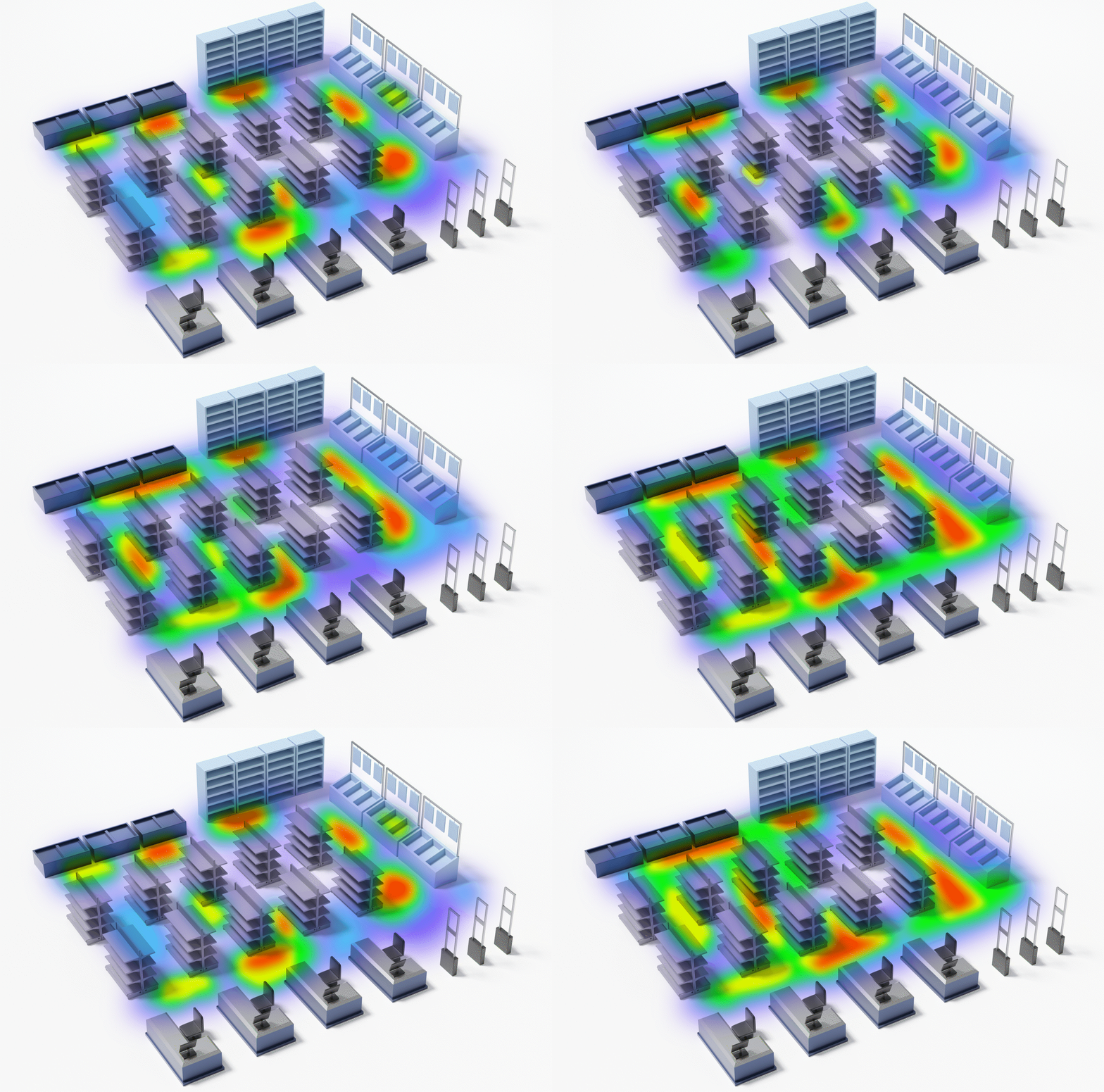
At the store level, the solution ties shopping assistance, product discovery, sensing, checkout-adjacent workflows, and media surfaces to the secure edge environment behind them: connectivity, local AI execution, orchestration, cloud management, and AdEdge campaign automation.
The cart can make the trip more useful with shopping-list support, product search, indoor navigation, and related workflows where retailer systems support them.
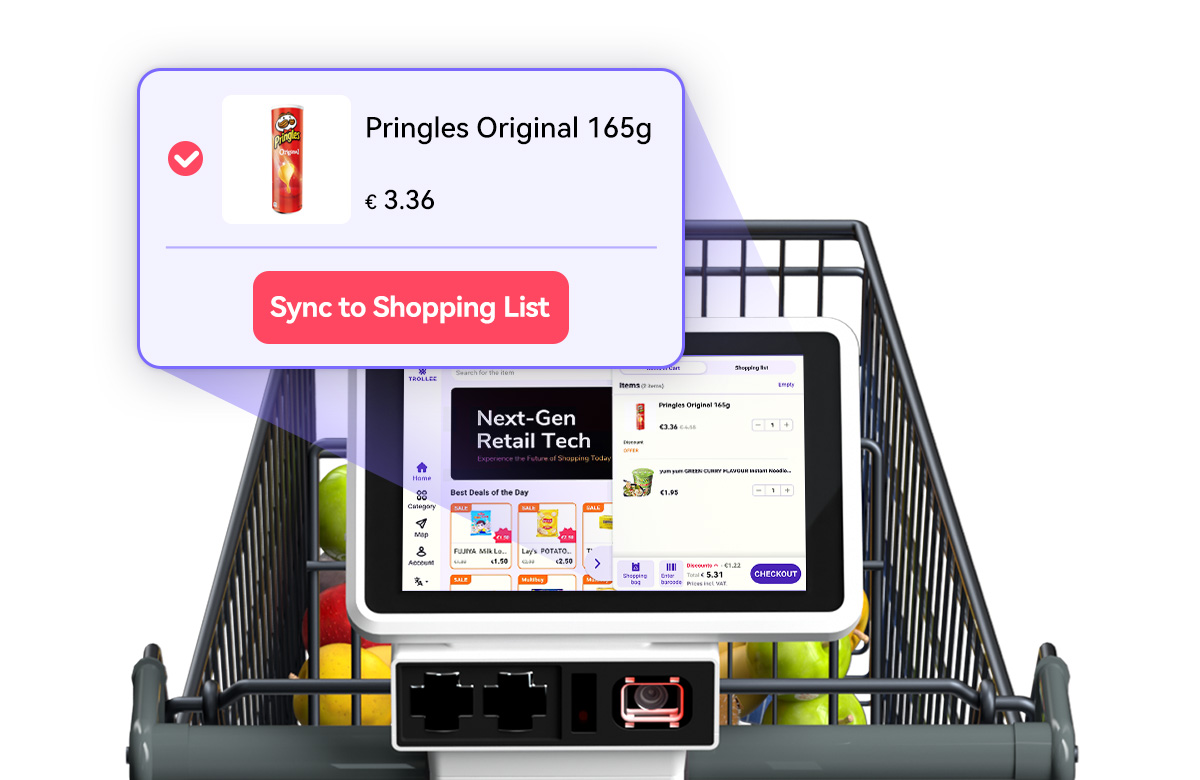
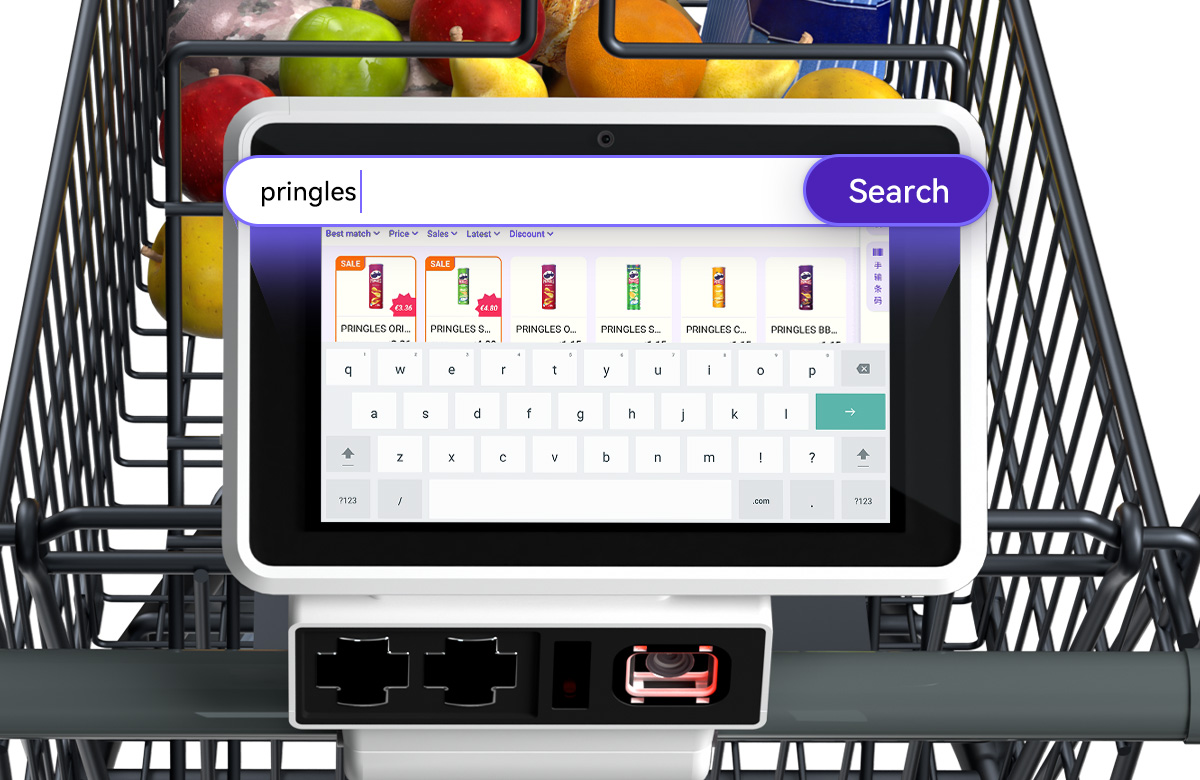
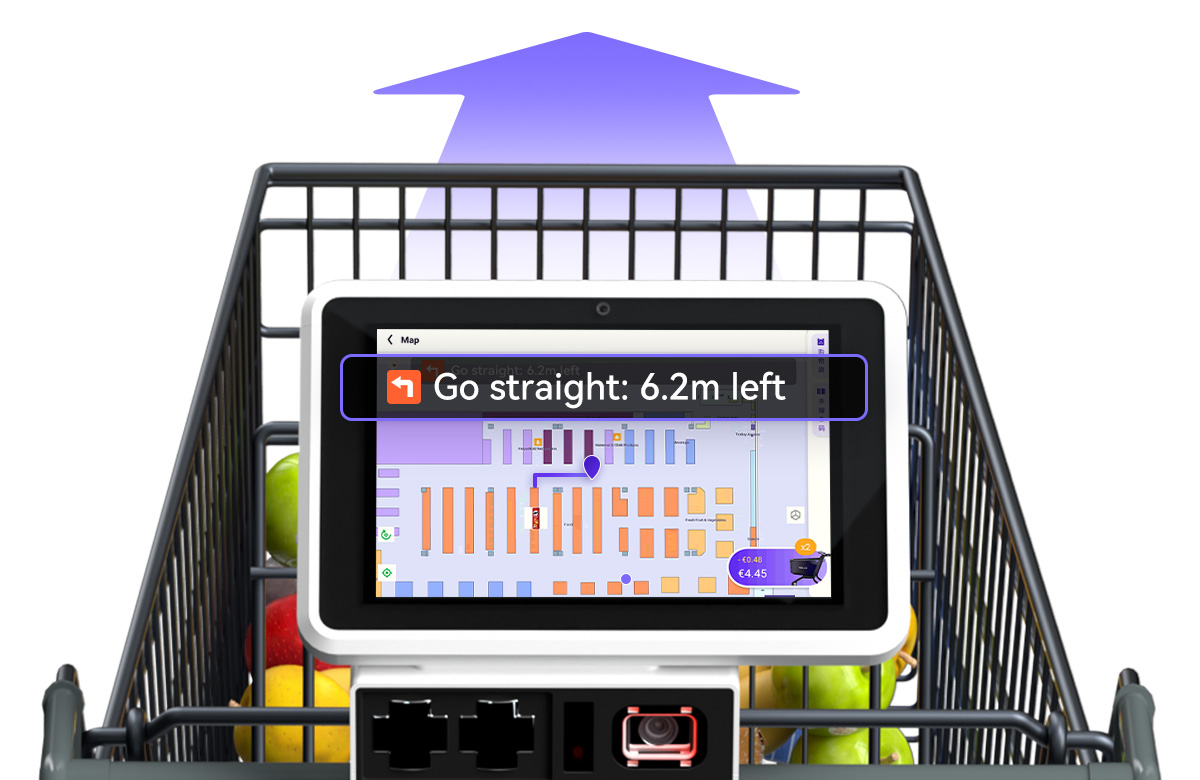
Computer vision, sensor fusion, and cart-based workflows can help retailers create better shopping context, product interaction signals, and loss-prevention signals where supported by configuration and retailer systems.
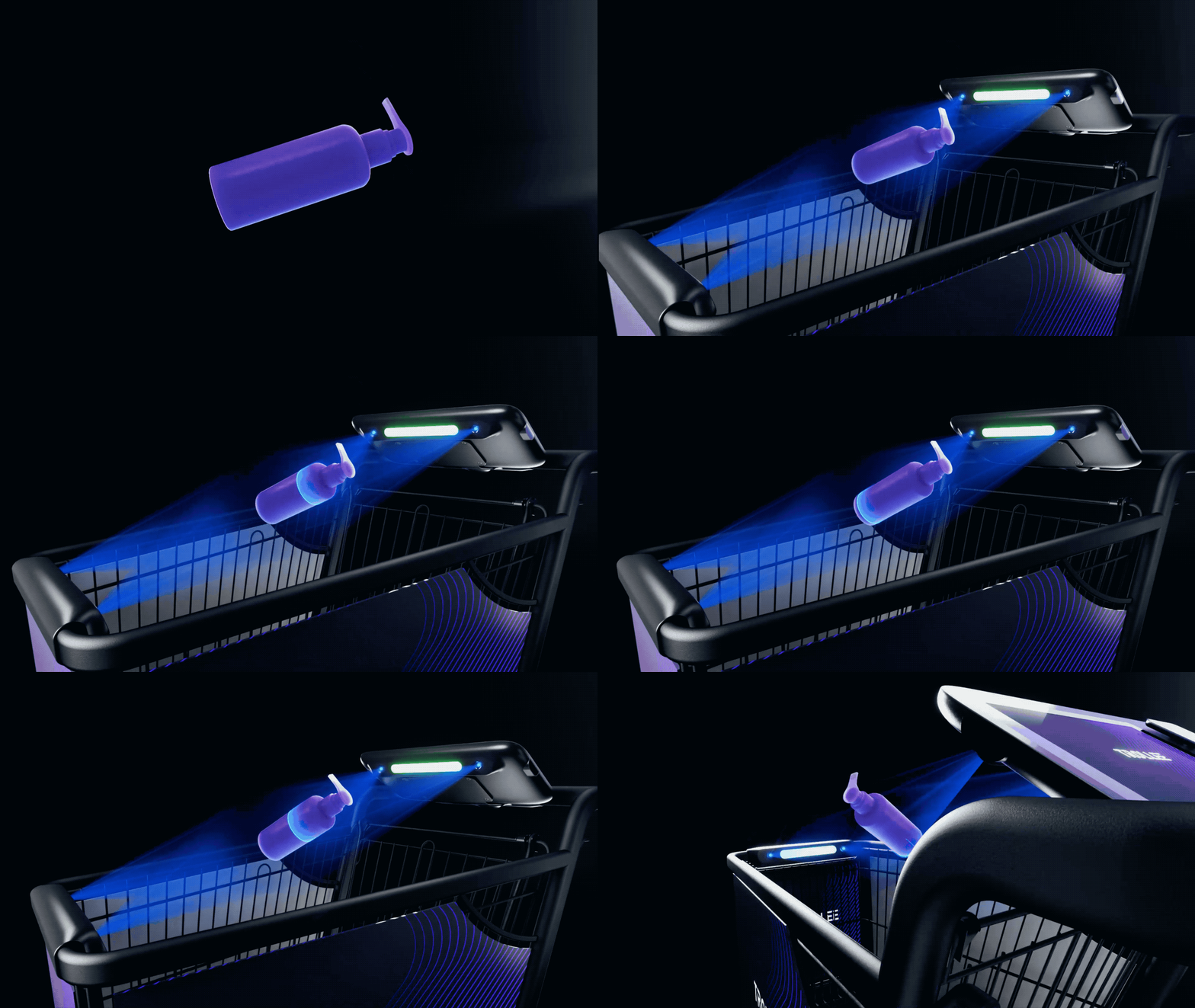
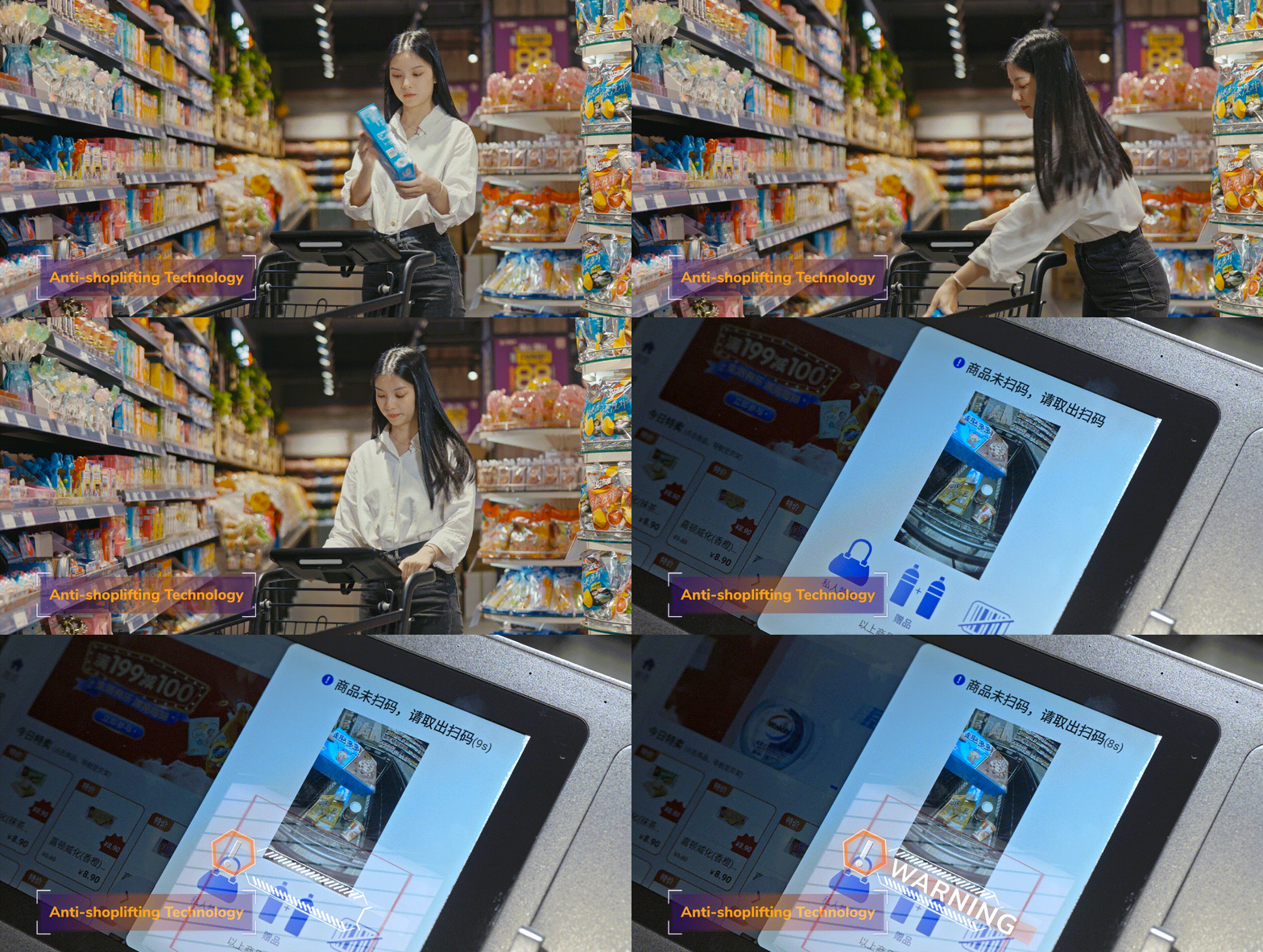
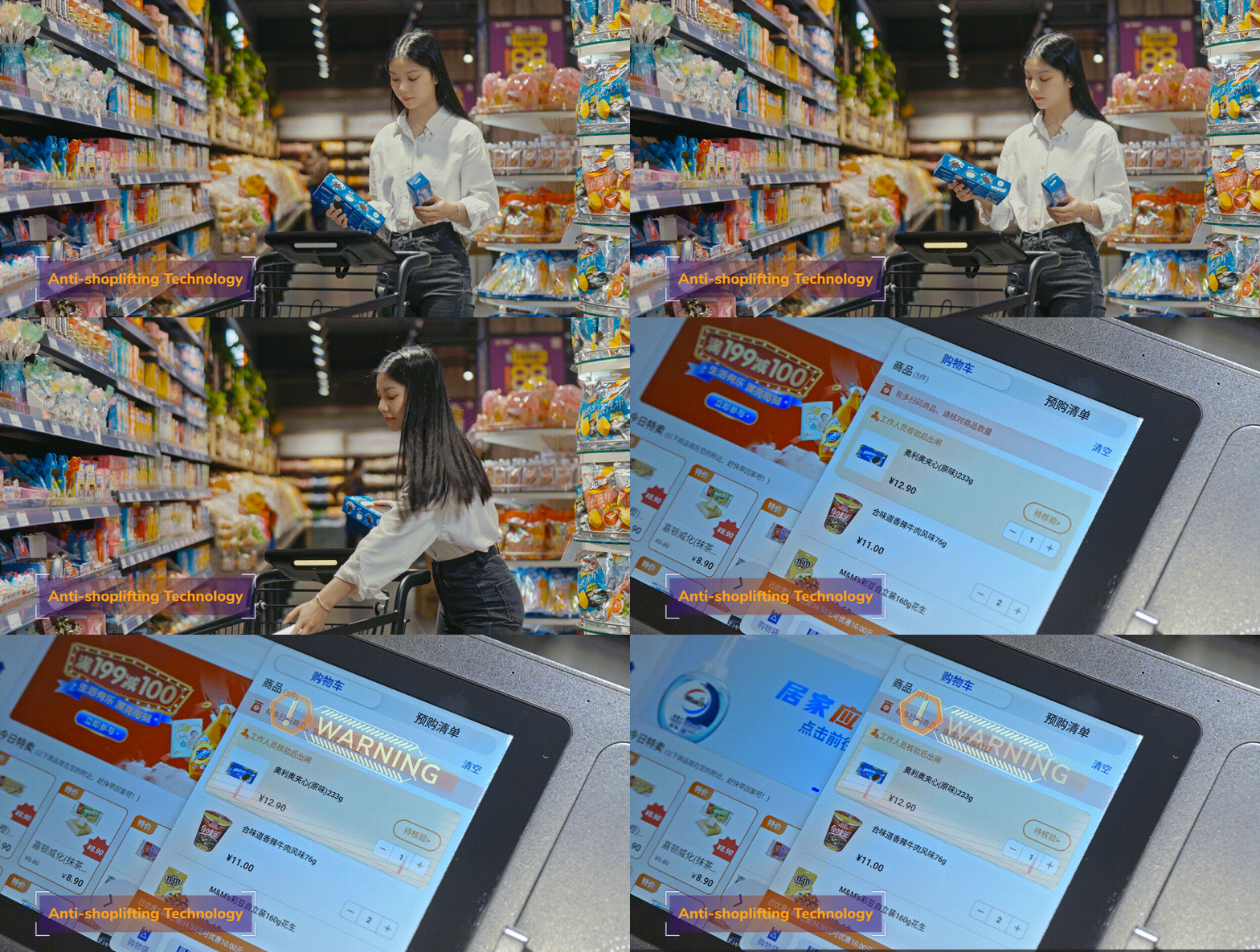
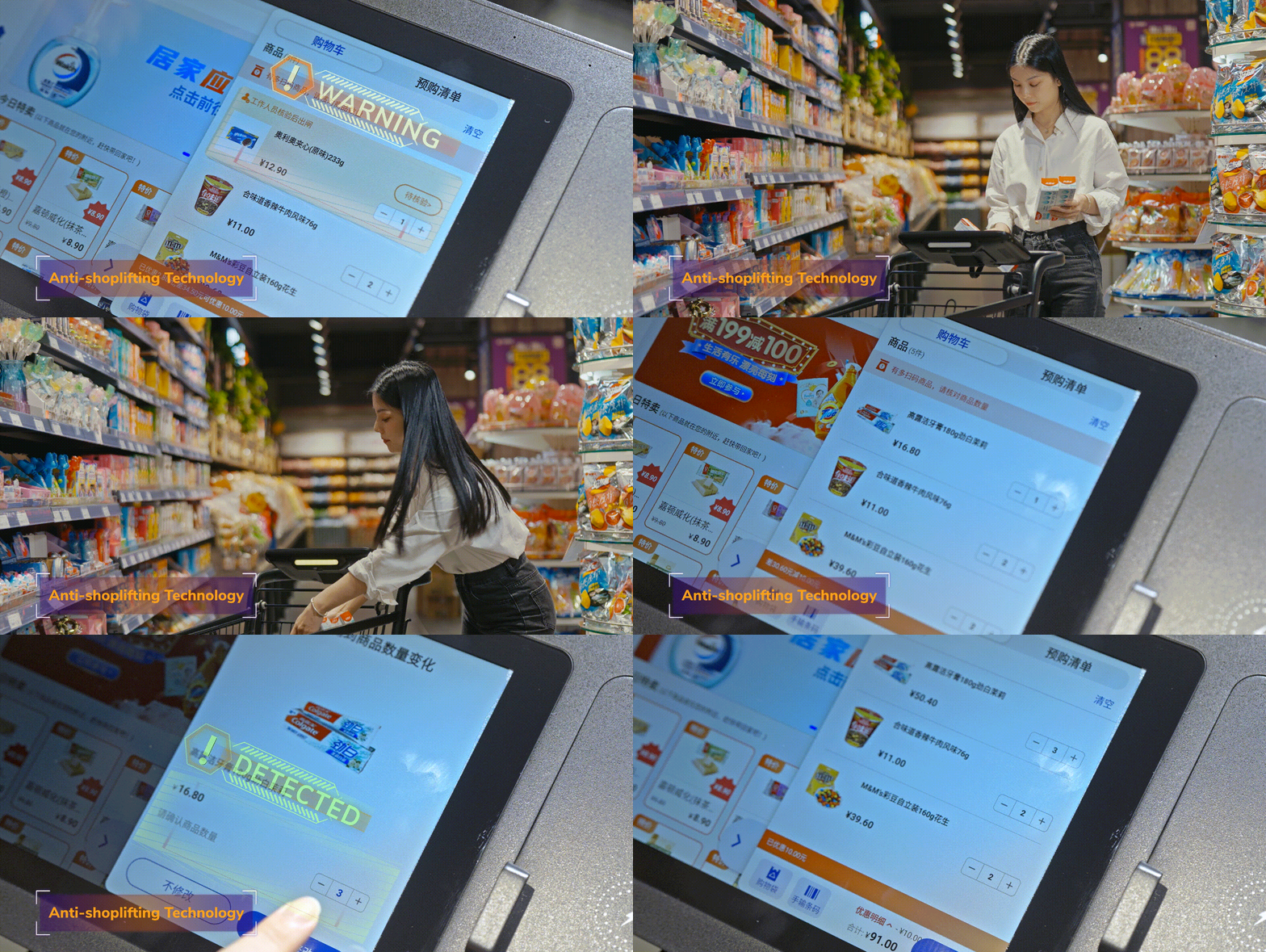
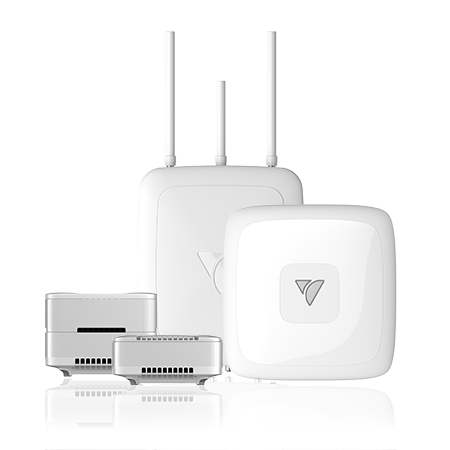
VeeaONE connects carts and store endpoints, runs local edge workloads, secures the environment, coordinates applications, and gives operators a cloud-managed foundation for multi-store deployment. AdEdge adds the contextual retail media layer on approved cart and in-store surfaces.
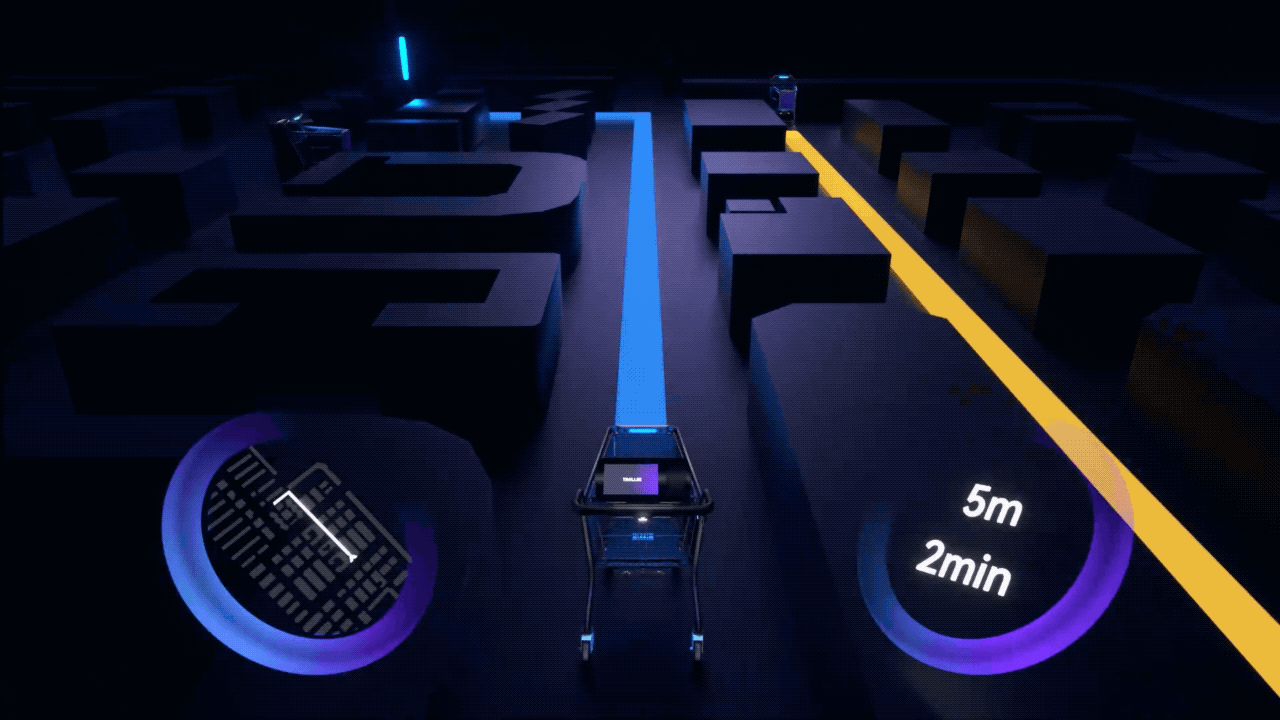
Retail media has become a major commerce story, but physical stores are harder to manage than ecommerce. Smart carts can bring product discovery, shopper engagement, and brand messaging closer to the aisle.
AdEdge supports contextual media activation on supported cart and in-store surfaces, helping retailers and brands deliver relevant campaign experiences closer to the physical point of decision. VeeaONE provides the local infrastructure layer that can help keep those experiences connected, managed, and governed across store environments.
Activation depends on retailer systems, privacy requirements, supported surfaces, campaign configuration, and deployment scope.
Reach the shopper closer to the product and the decision moment.
Activation depends on campaign rules, privacy requirements, supported surfaces, and retailer systems.
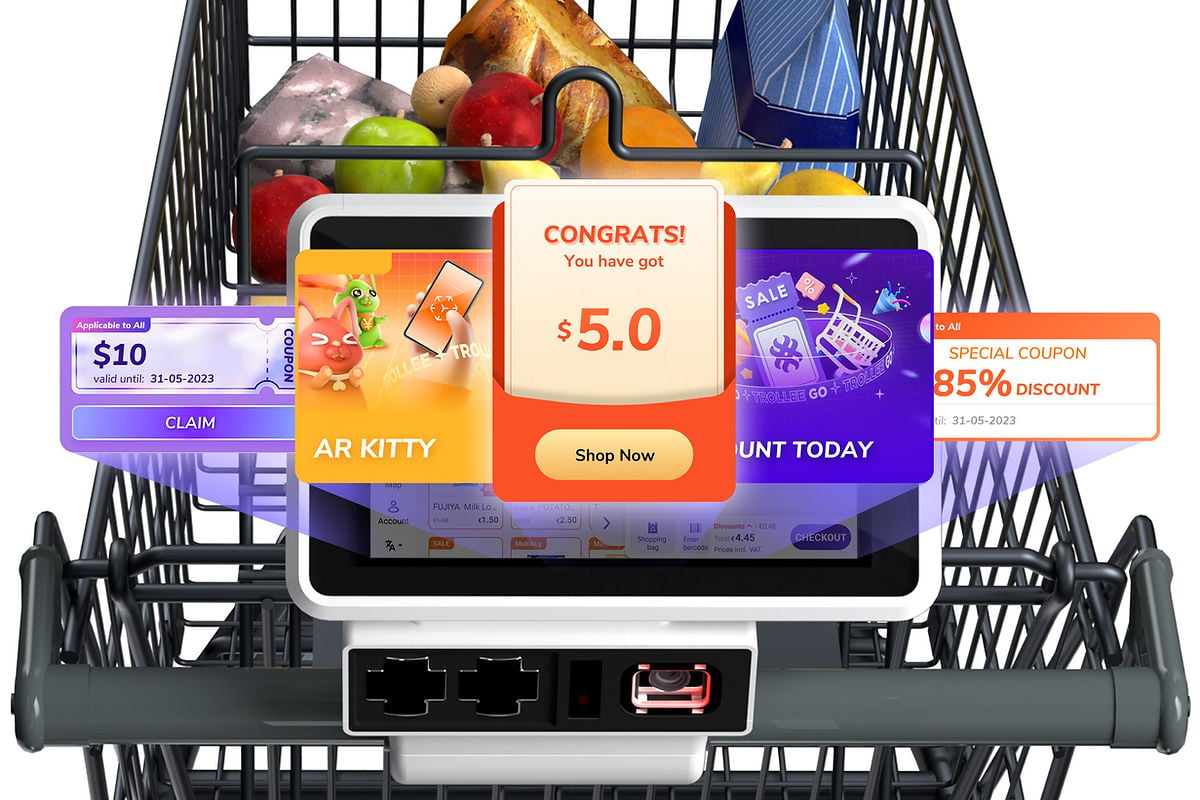
Large retailers and technology platforms are already validating the direction: AI-assisted carts, in-cart recommendations, store operations assistants, inventory search, and more connected physical retail experiences.
Customer perspective: AI-assisted carts and easier shopping trips FairPrice describes smart carts that help with shopping lists, offers, product discovery, and checkout friction. Why it matters: the cart is becoming a shopper-facing AI endpoint.
FairPrice and Google Cloud examples are included as third-party market validation only. They are not Veea customer claims, TROLLEE deployment claims, or proof of Veea revenue.
The smart cart is the first visible endpoint. Robotics is the next automation layer: mobile systems that can help retailers monitor spaces, surface exceptions, support announcements, and extend operational awareness across complex store and facility environments.
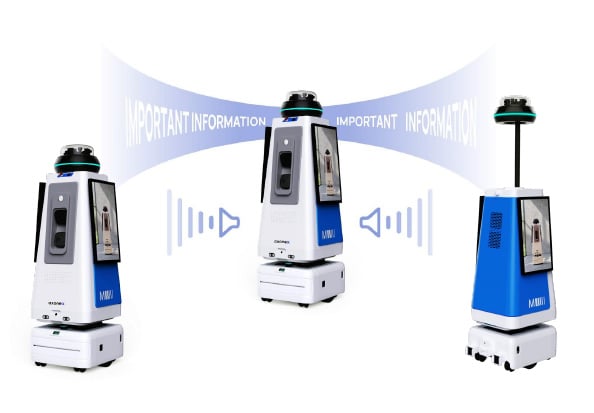
Designed around mobile patrol, 360-degree sensing, interactive screen, speaker system, alerts, and self-charging workflows.
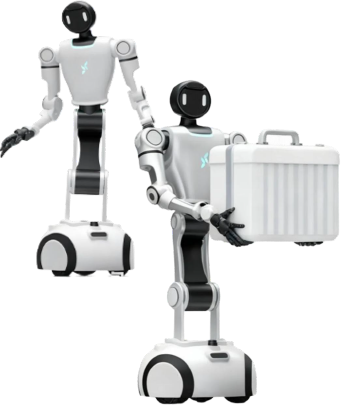
A next-generation wheeled manipulation concept for future data-driven retail and facility automation workflows.
Once carts, cameras, displays, sensors, apps, and store systems become part of the same operating environment, retailers need local execution and management. VeeaONE is the layer that can help connect, secure, manage, and orchestrate that environment.
A smart-retail pilot can be structured around store format, supported carts and endpoints, retailer systems, media surfaces, privacy requirements, and the first measurable use cases.
The partnership extends prior Veea and TROLLEE collaboration around smart carts, edge infrastructure, and AdEdge-enabled retail media into a more defined smart-retail solution for selected grocery, convenience, and large-format retail opportunities.
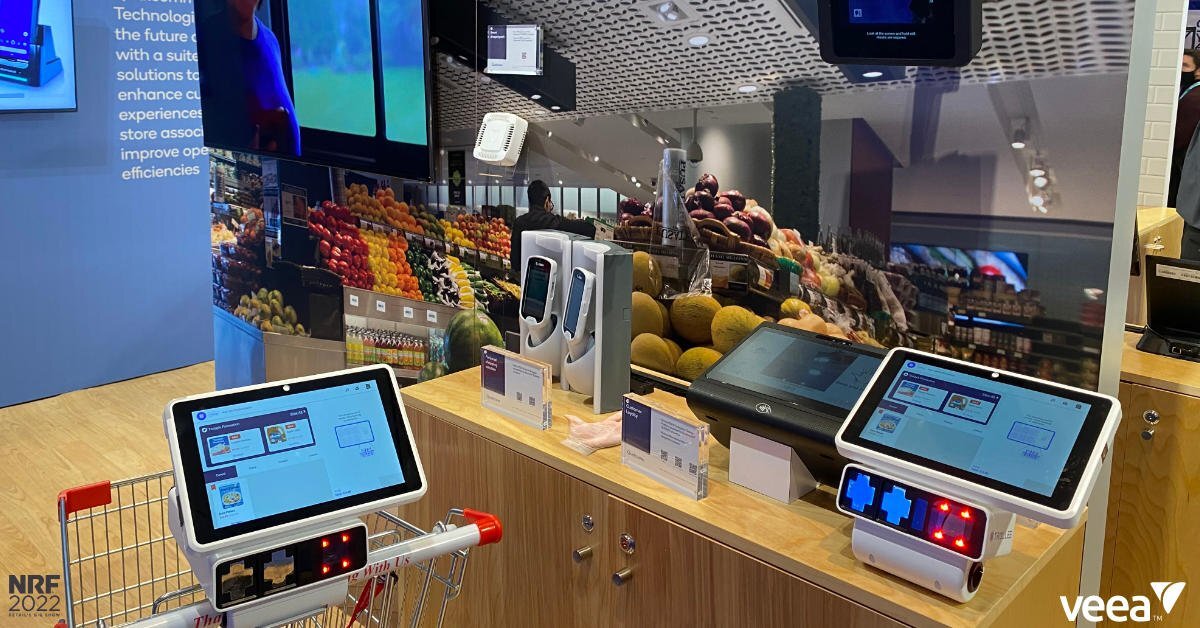
Veea and TROLLEE have previously demonstrated smart retail concepts involving connected carts, edge infrastructure, and in-store engagement.
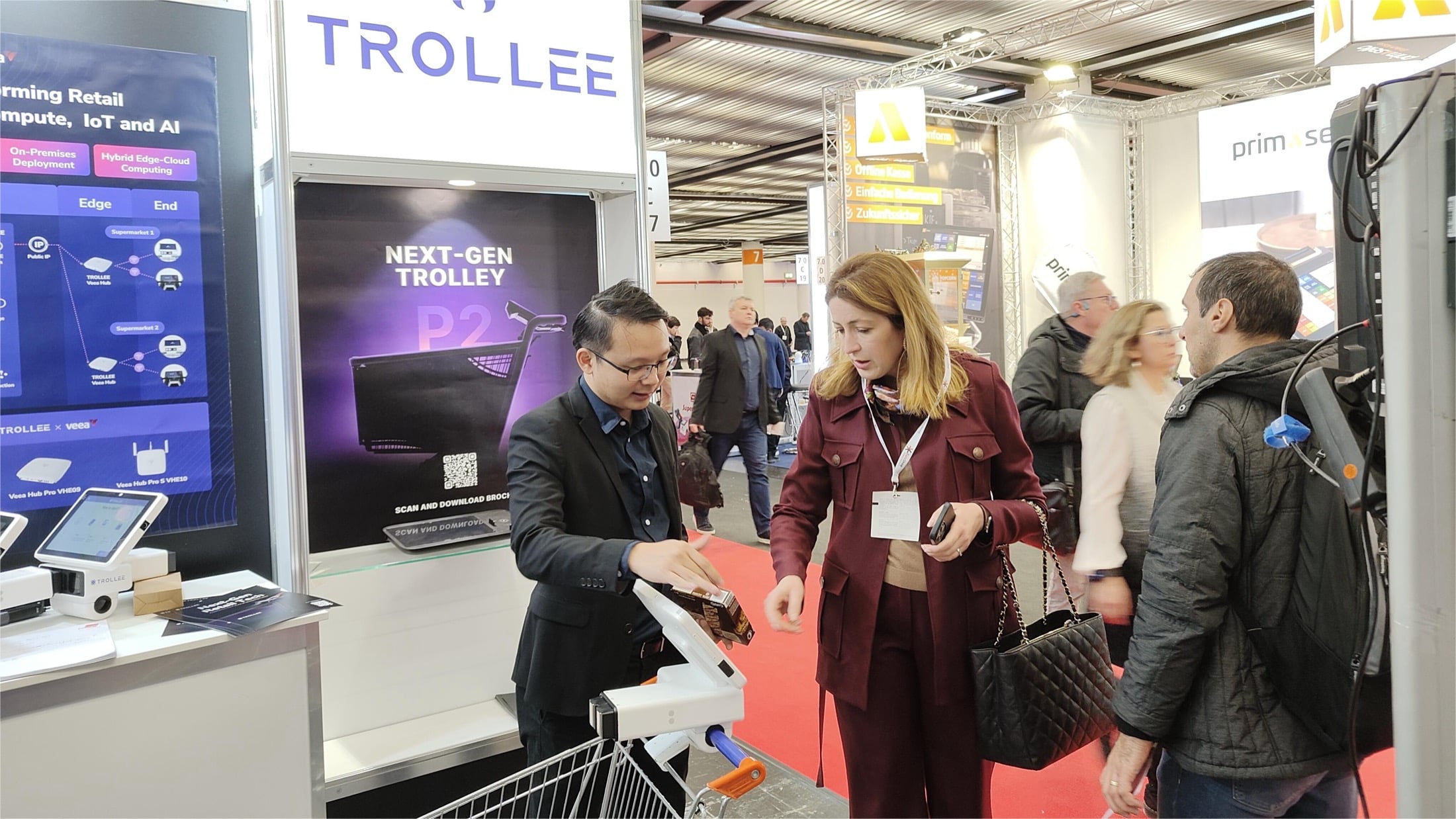
TROLLEE has demonstrated smart cart capabilities across international retail events and market-facing activities.
The first audience is operators with real store floors, real shopper traffic, real inventory pressure, and a reason to bring retail media closer to the aisle.
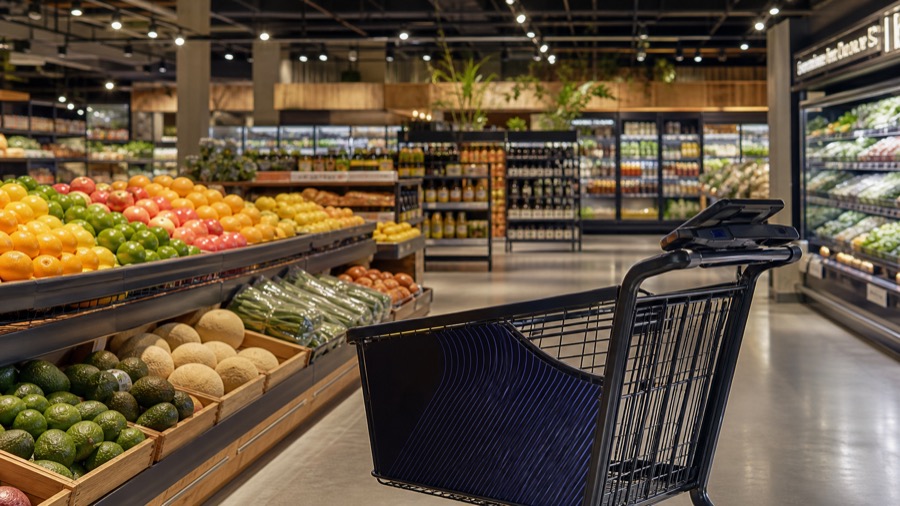
Fresh, center-store, promotion, loyalty, and inventory workflows all happen close to the shopper.
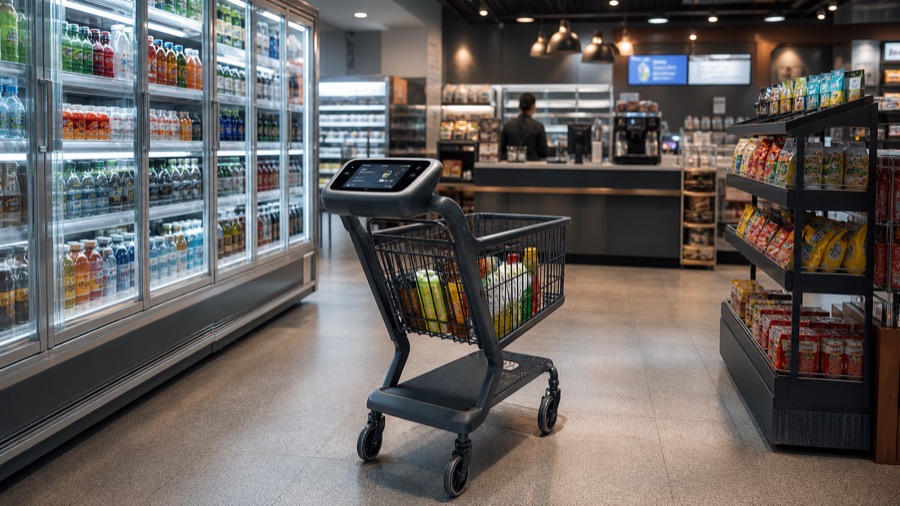
Compact stores need fast shopper assistance, offer delivery, and lower-friction operations.
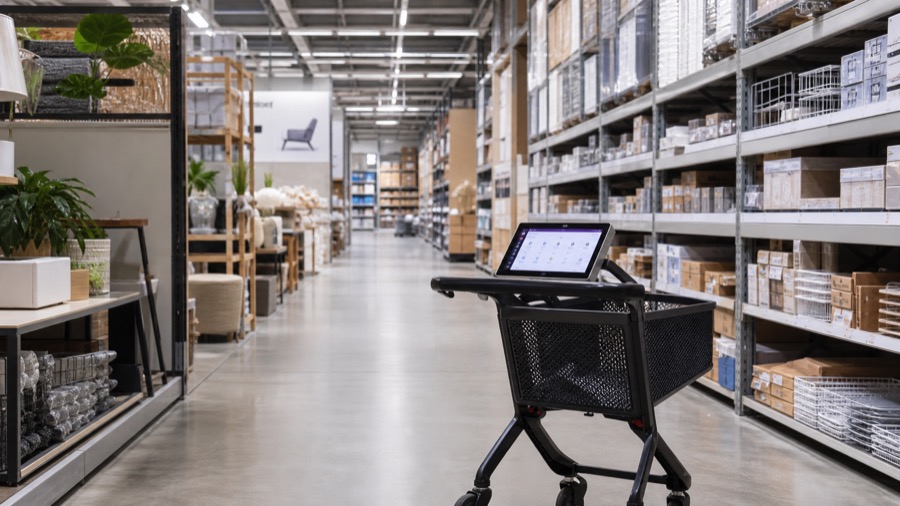
Big stores benefit from navigation, product discovery, local intelligence, and distributed management.
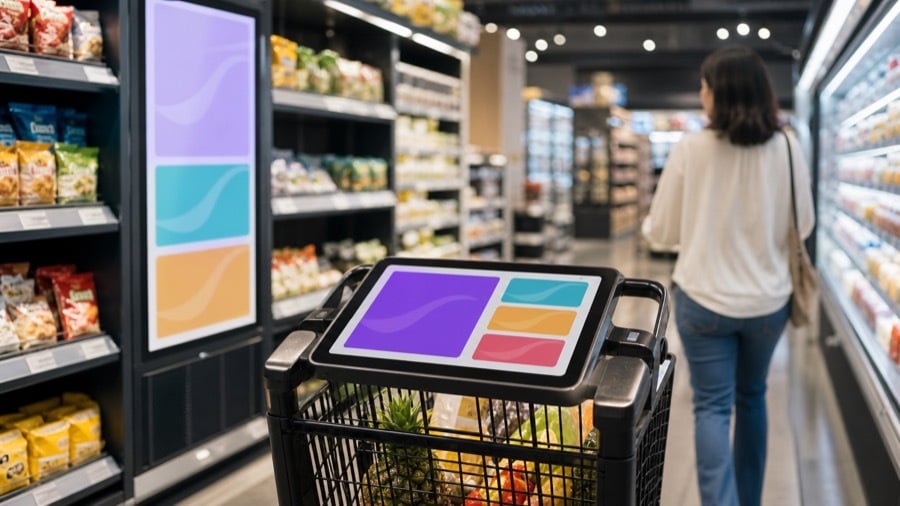
Cart and in-store surfaces can bring contextual media closer to the physical point of decision.
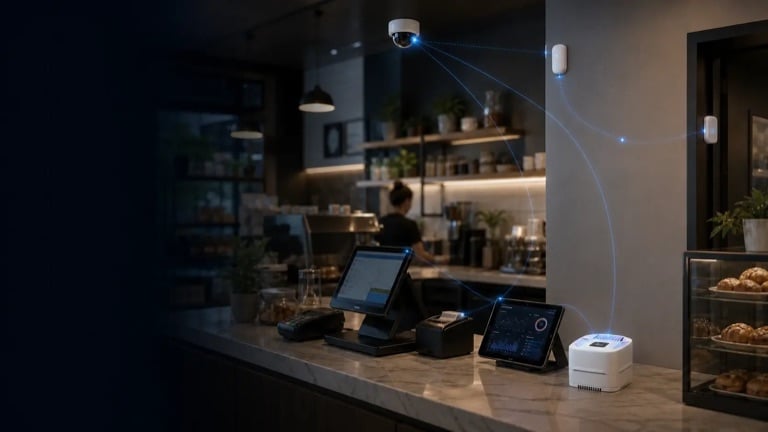
Connect, protect, and operate every business location.
Learn more
Bridging ecosystems, transforming spaces with edge-intelligent automation.
Learn more
Deliver managed enterprise security through a VeeaHub, without adding a separate security appliance at each site.
Learn more
Named deployments and what changed at each site.
Learn more