

Digital inclusion
Take the box
out of broadband.
2.2 billion people are still waiting for a wire. AirLynx turns whatever backhaul a region already has — satellite, fiber or 5G — into a community-wide mesh with edge AI on board. No in-home CPE, no subscriber installation appointment and no per-home truck roll—a community can move from backhaul to an operational network in as little as 72 hours.

The customer-premises box is why an install needs a technician, why a wire has to reach the door before anyone can be a subscriber, why there is hardware to chase down when service ends, and why a plan can only ever belong to an address instead of a person. AirLynx does not make the box cheaper. It removes it.
A satellite terminal, a fiber termination or a cellular tower gets a signal to one point in a region. What has never existed is an affordable way to carry it from that point across a mountain, a coastline or a valley floor and into a few hundred homes. VeeaHubs operate across several spectrum bands at once and choose the best path at every hop, so the same mesh spans terrain that would each need its own answer otherwise.
Your backhaul — swap it freely
The Veea mid-mile — identical either way
- Satellite terminalViasat or Starlink
- Fiber terminationWhere the trunk stops
- Cellular tower4G or 5G uplink
- Base siteRadioHead
- Ridge relayVeeaHub Pro Outdoor
- HomesNo CPE
- SchoolCached content
- ClinicTelehealth
Switch the source and nothing downstream moves. The base site, the mesh hops and the services are the same network whichever way the region gets its bandwidth — which is why a deployment can start on satellite and move to fiber years later without being rebuilt.
Wired broadband can reach every home, but each new connection requires additional network build, a premises cable, an installation visit, and CPE. AirLynx changes that per-home cost model.
Shared VeeaHubs extend connectivity across the community without premises wiring or per-home CPE.
Unserved communities Digital inclusion
Satellite or fiber backhaul plus mesh Wi-Fi, 5G FWA and edge AI, in communities where reliable broadband remains unavailable or unaffordable. Usually funded by government programs, development banks and NGOs.
- Government portals and digital ID reachable without traveling to an office
- Tele-education and telehealth, with content cached on the node
- Mobile money and agent banking for households with no branch
- Smart farming, environmental sensing and micro-grid management on the same mesh
MDUs and shared venues Managed Wi-Fi
Apartment blocks, dormitories, trailer parks, campuses and hospitality — connectivity as a property amenity, without running a dedicated connection to every unit. Usually funded by property owners and tenants.
- Property-wide Wi-Fi, one SSID and a private network for each tenant
- SecureConnect cybersecurity, device isolation and agentless IoT protection
- Billing per tenant or per building, added to rent or sold as a top-up
- Smart building, energy metering and CCTV analytics on the same hardware
Adding a new capability usually means another vendor, another box and another integration. With AirLynx, the VeeaHubs deployed for connectivity can also support network visibility, billing, policy and edge services through software—without replacing the infrastructure at every step.
Bring your internet
One uplink for a whole community: satellite where there is no ground infrastructure, fiber where a trunk already terminates nearby, 4G or 5G where a tower is in range.
Deploy edge coverage
VeeaHub nodes, indoor and outdoor, meshed wirelessly across homes, schools, public space and commercial areas. No cable between nodes and none into any home.
See what is happening
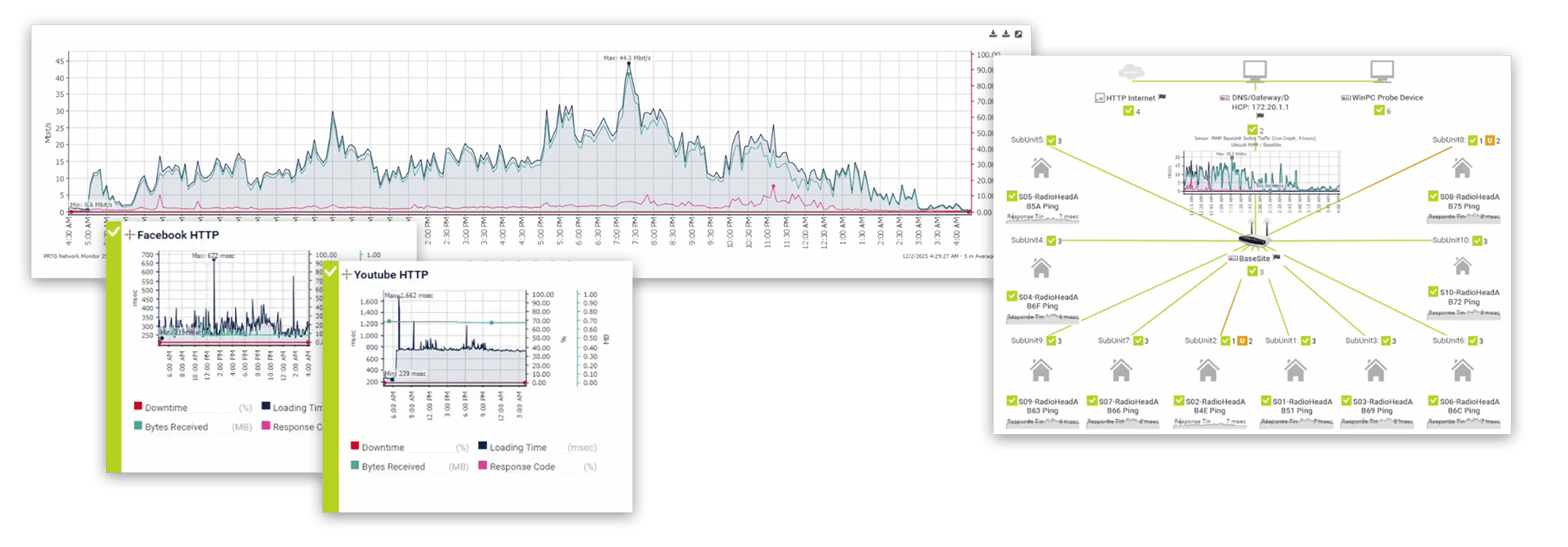
Every base site, RadioHead and uplink reports continuously: bandwidth, latency between nodes, response times for the services people actually use, and an experience metric per connected home.
Package and price it
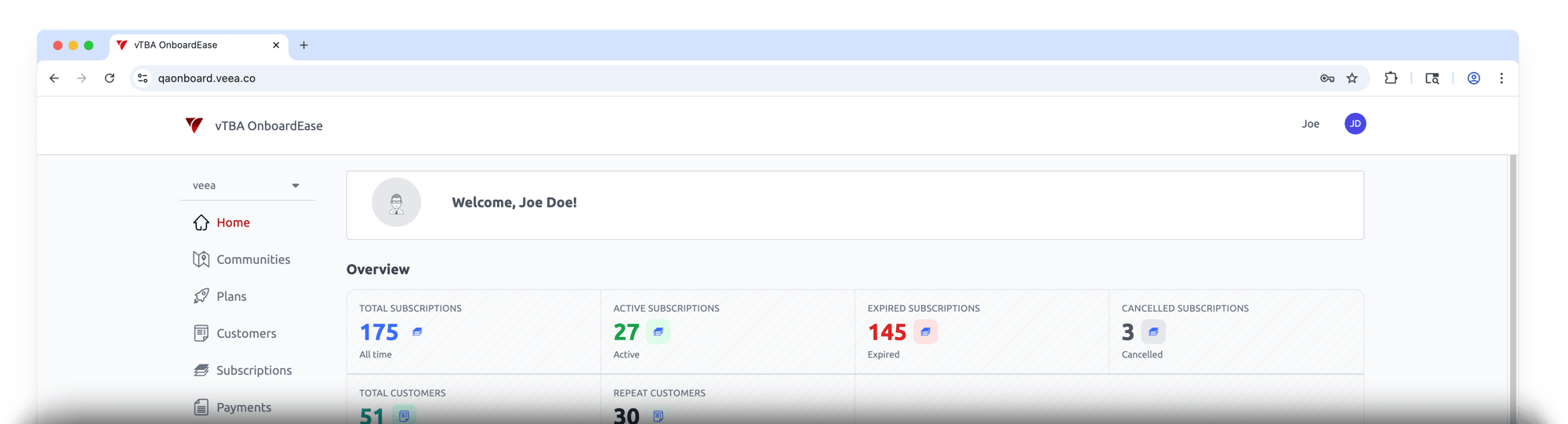
OnboardEase handles plan creation, subscriber onboarding, billing, payments, local agent management and roaming between AirLynx zones, from one dashboard.
Secure and govern it
Content and security policy, fair-use enforcement, and private network segments that isolate devices on the shared mesh, with real-time quarantine of anything compromised.
Add digital services
Government portals, telehealth, education platforms, banking, smart agriculture and environmental monitoring, hosted on the nodes themselves and available through a simple, secure login.
Choose a layer to see how each capability builds on the last. Once the network is deployed, new operational tools and digital services can be activated through software—without another hardware rollout.
AirLynx gives operators real-time visibility into revenue, subscriber costs, usage and network performance by zone. That makes it easier to price plans, identify problems and decide where to expand next.
Role-based views give field technicians, local agents and support teams the information they need, while historical reporting helps diagnose intermittent faults and demonstrate long-term sustainability to funders.
-
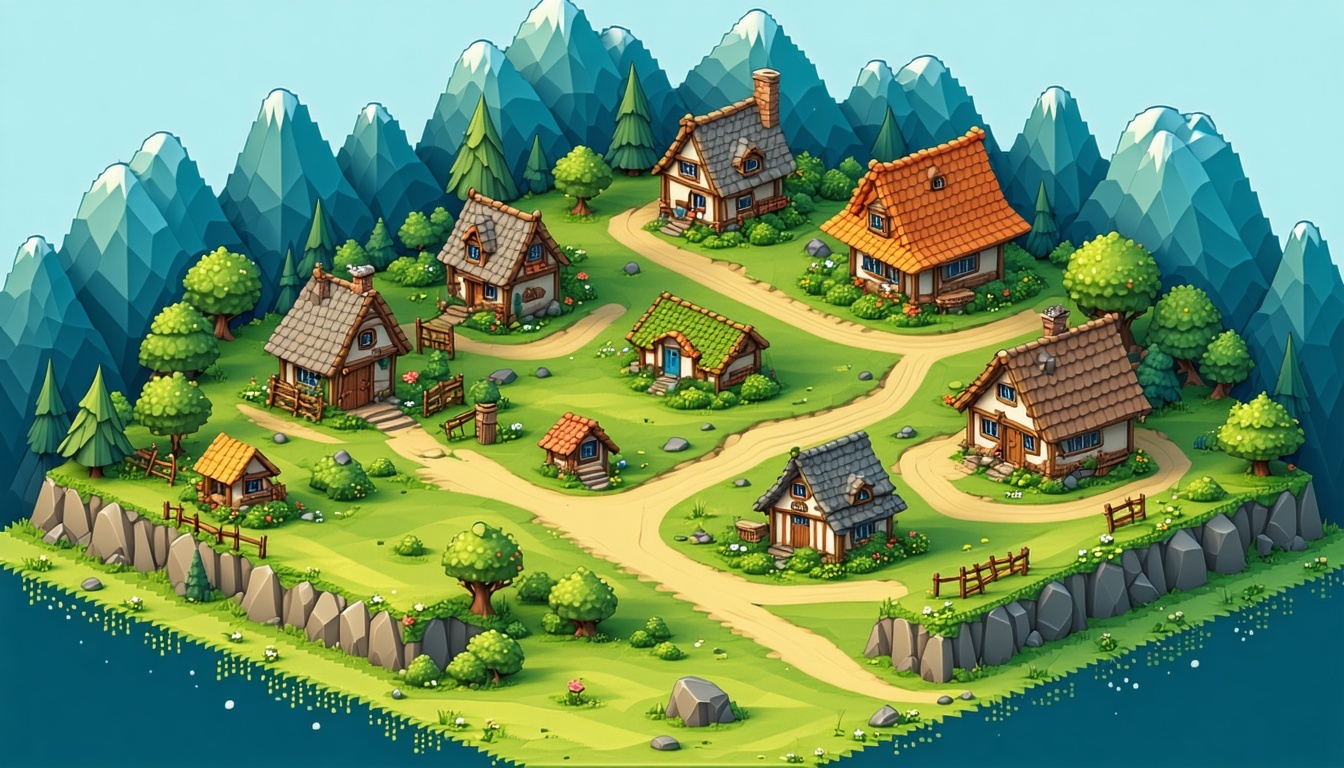
Digital inclusion
Affordable connectivity for rural and remote communities that traditional broadband cannot economically reach. Residents connect using devices they already own and access essential online services. Typical funders: governments, development banks and NGOs.
-
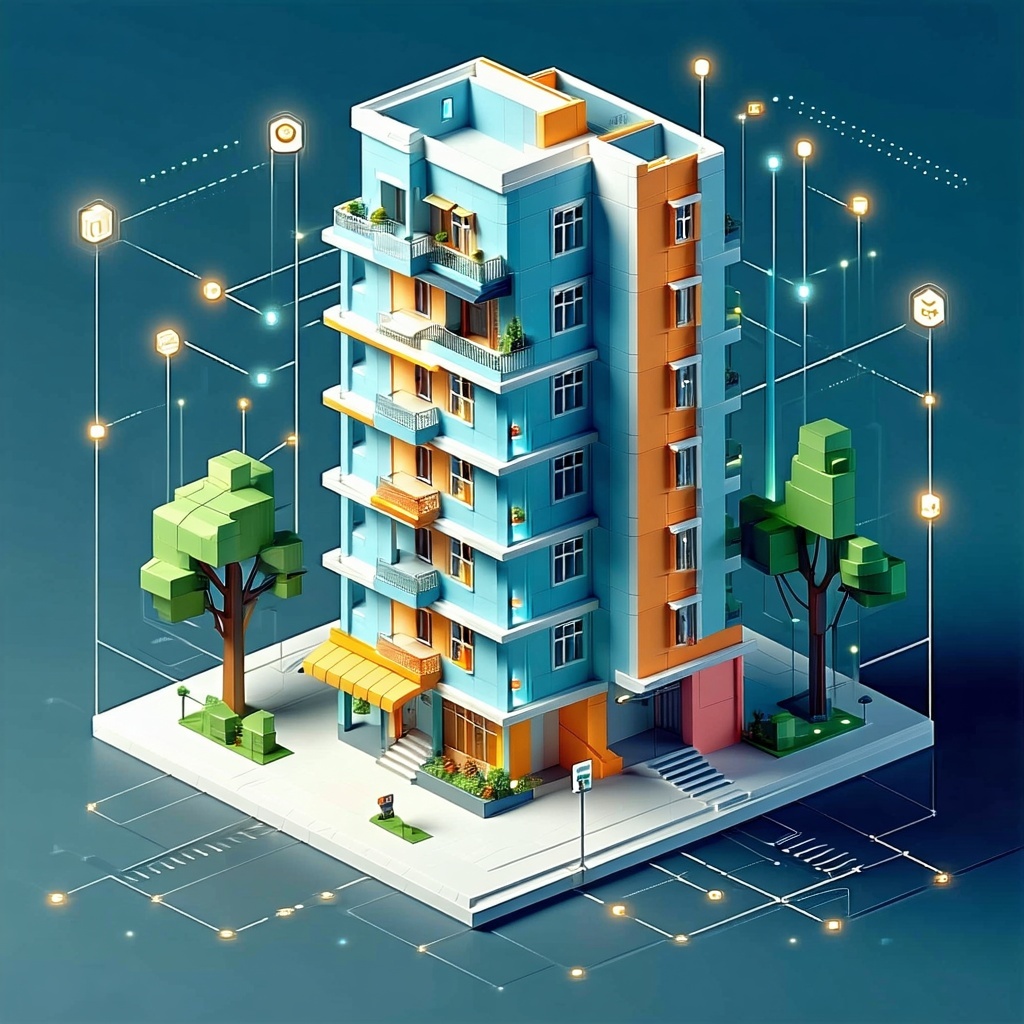
Residential and MDU housing
Connect apartment buildings, dormitories and residential communities without installing dedicated CPE in every unit. Shared infrastructure lowers deployment costs, while OnboardEase supports billing by tenant or building. Typical buyers: property owners, managers and service providers.
-

Education and training
Extend connected learning to schools and community training centers through locally hosted applications and content, even where backhaul is limited. Typical buyers and funders: schools, government education programs and NGOs.
-
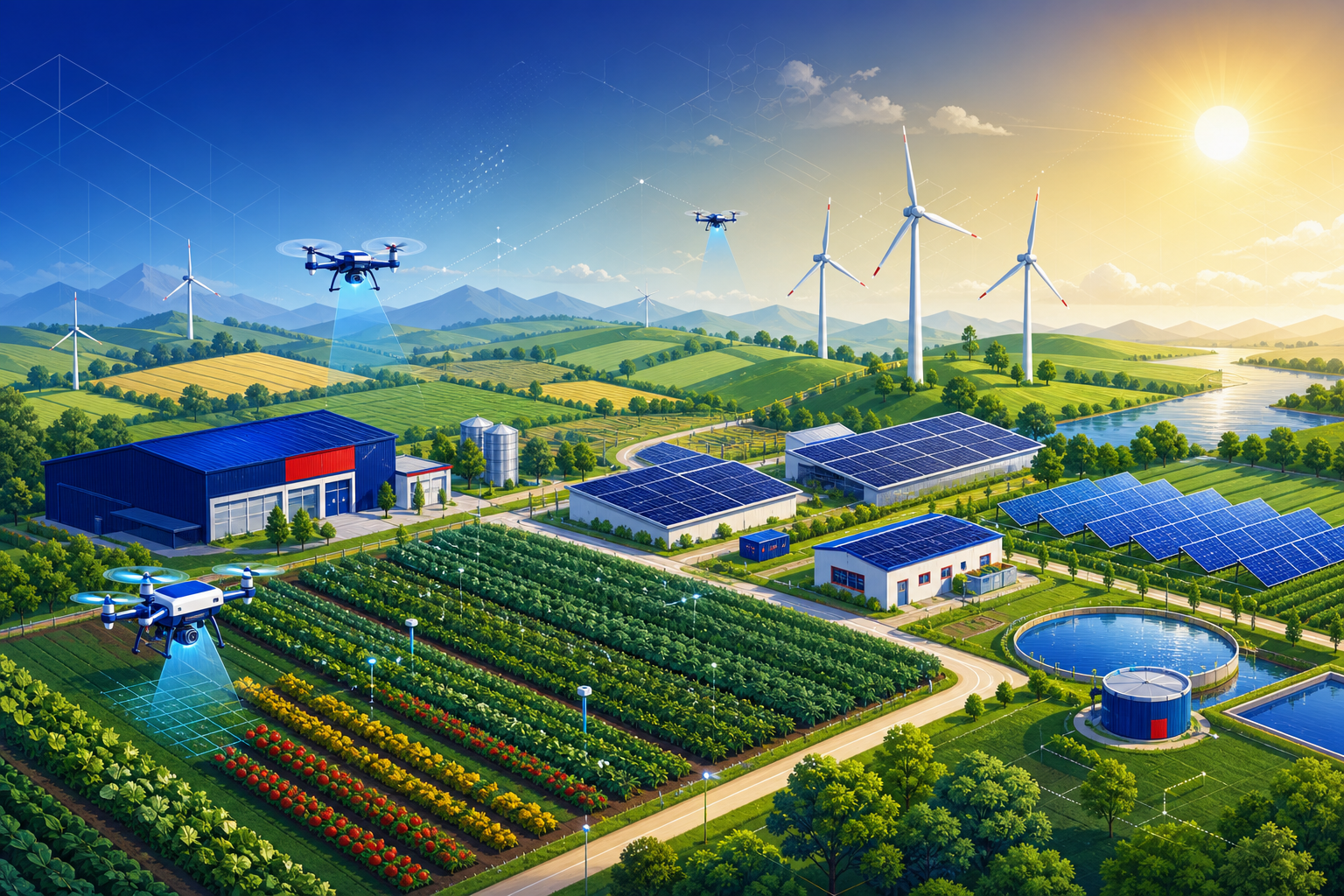
Precision agriculture
LoRa soil and moisture sensors feeding models that schedule irrigation and predict yield, so growers waste less water and harvest more. Typically funded by agricultural co-ops, rural programs and agritech grants.
See precision agriculture -
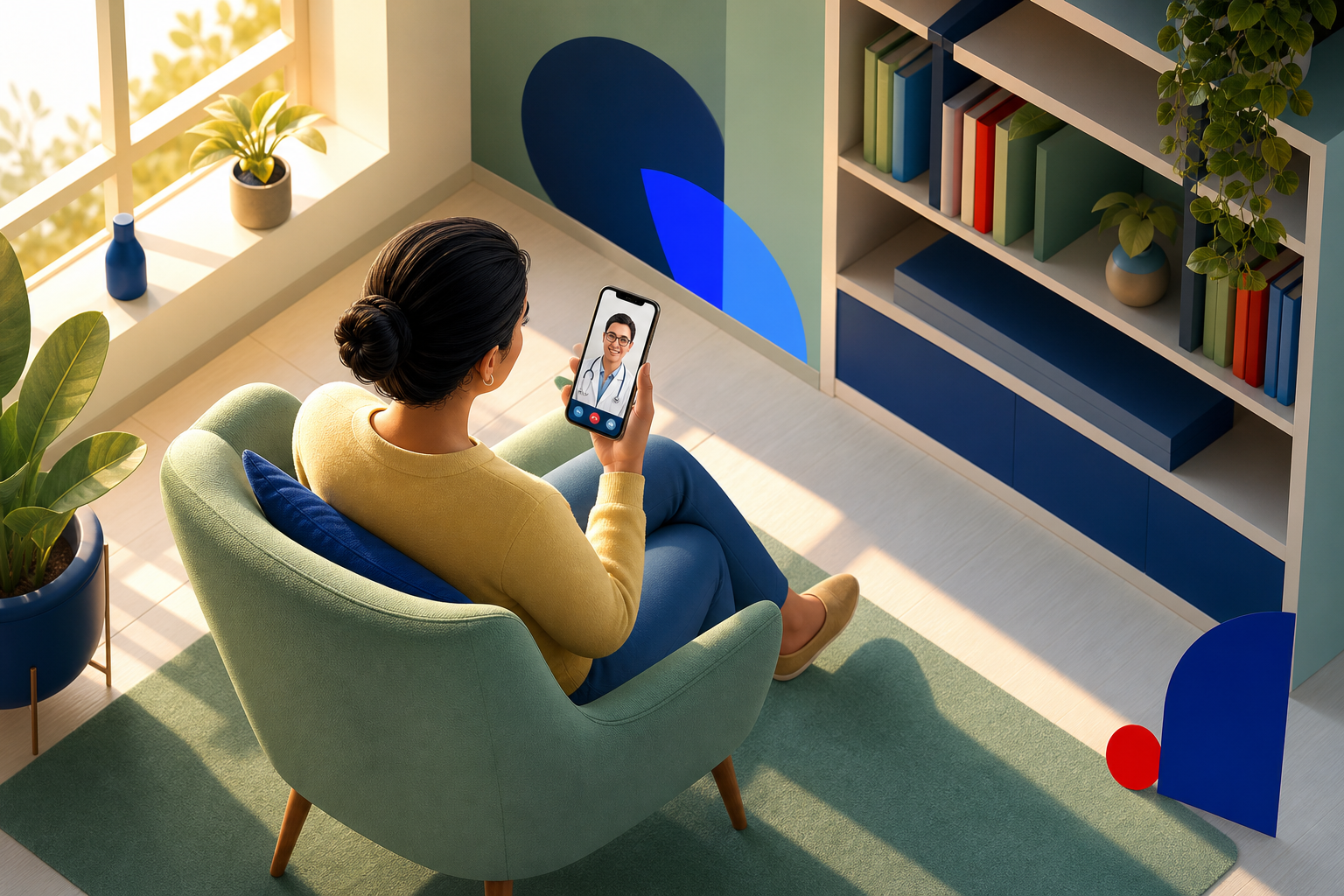
Tele-health
Support remote consultations and ongoing patient monitoring in communities far from clinical facilities. Connected devices can securely share health data with authorized providers. Typical buyers and funders: health ministries, hospital networks and NGOs.
-
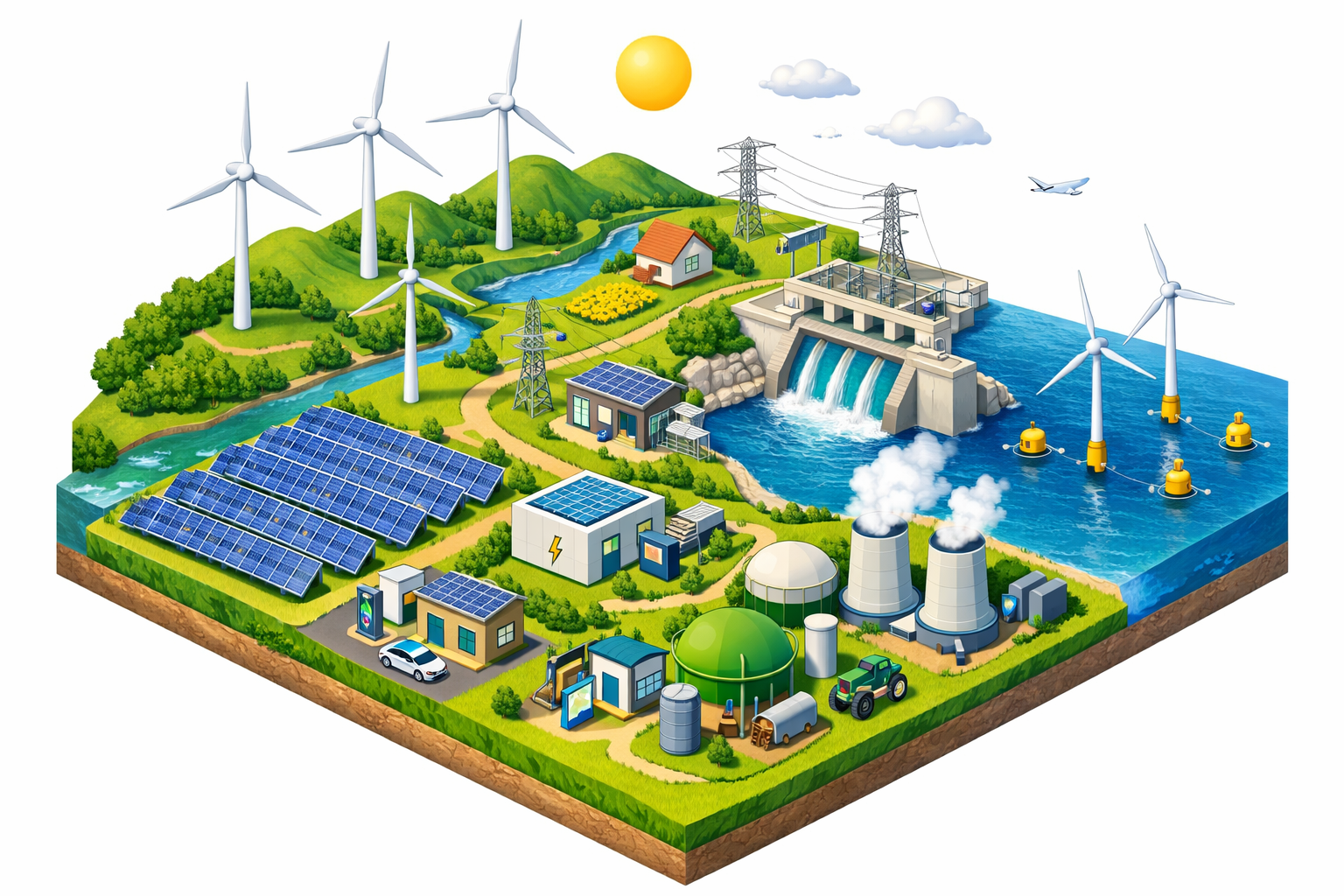
Renewable energy
Monitor solar arrays, microgrids and battery systems in real time, using operational data to anticipate maintenance needs and reduce outages. Typical buyers and funders: utilities, energy developers and climate funds.
- Digital inclusion in Argamukti The community network in Argamukti, West Java, averaged 282 connected devices, with 50 concurrent active sessions per day—extending affordable access where conventional broadband economics had fallen short. Read the case study
- Bridging the digital divide Veea and Tanara deployed a resilient community network where reliable internet was unavailable, creating a foundation for environmental monitoring and emergency communications. Read the case study
- Remote water flow management Outdoor VeeaHubs at Vidanta Nuevo Nayarit-Vallarta connect remote water monitoring across the resort—showing how the same wireless edge infrastructure can support operational services. Read the case study
-
SecureConnect
Add routing, firewalling, VPN, Wi-Fi access and intrusion prevention on the VeeaHub—without deploying another security appliance.
Explore SecureConnect -
Smart IoT connectivity
Connect sensors, cameras and controllers across multiple supported wireless protocols while reducing the need for separate gateways.
Explore Smart IoT connectivity -
VeeaONE Platform
See the software, cloud management and trusted edge architecture that connect, secure and manage AirLynx deployments.
Explore the VeeaONE Platform