


Veea AdEdge™ · advertising at the edge
The screen is in the room.
So is the decision.
Campaigns are bought, built and scheduled in the AdEdge Cloud — then every play, coupon and conversion is decided on the VeeaHub standing in the venue, beside the screen, the shopper and the till. Just-in-time advertising, because the decision never has to travel.
Most screens in a venue play a loop that was decided weeks ago. The smarter ones ask a server far away what to show, and pay for the distance on every single play. The difference is not intelligence — it is geography: what can the screen know, and how far away is the thing doing the choosing?
Veea draws AdEdge as two territories. In the AdEdge Cloud, campaigns are ordered, priced, built and scheduled — once, ahead of time. On the VeeaHub in the venue live all the parts that cannot afford the trip: the player, the positioning, the analytics, the coupons and the till. Move the decision across the line and watch what the line starts charging.
Set once · ahead of time
AdEdge Cloud
And the rest of the buying stack, by name:
- Private Marketplace
- Self-Service Portal
- Pricing Tools
- Product Catalog
- CPQ Order Manager
- DMP
- Creative Manager
- Adjacent Media
- Audience Activation
- ASG
Decides · in the room
Waits · on the line
The venue’s VeeaHub
- Edge Services
- HTML5 creative
- read
- choose
- play
- coupon
- attribute
The creative crossed the line once, into cache. Every decision since has been made in the room.
Now every play buys a round trip — and the coupon and the conversion stand in the same queue behind it.
Nothing else moves between these two pictures: same screens, same campaign, same creative, same schedule. The only thing that changes is which side of the line the decision lives on.
Veea’s own engineering note says why: advertising content, offers and coupons are cached on VeeaHub units and delivered instantaneously on proximity, because “real-time downloading of this content from the Cloud wouldn’t result in satisfactory user experiences due to latency and lack of tight integration with indoor positioning systems.”
“Just-in-time advertising” is Veea’s own phrase for it. The campaign is set once; the screen then re-decides all day long, from things only the room can know — who is near, what the moment is, what the rules allow.
-
07:40 · doors open
Offer near youFirst hour, fresh batch
Bakery counter · aisle one
Chosen from- time of day
- campaign schedule
-
12:10 · lunch peak
Two minutes awayThe lunch deal, hot now
Hot counter · back of store
Chosen from- proximity
- time of day
- product type
-
17:50 · closing window
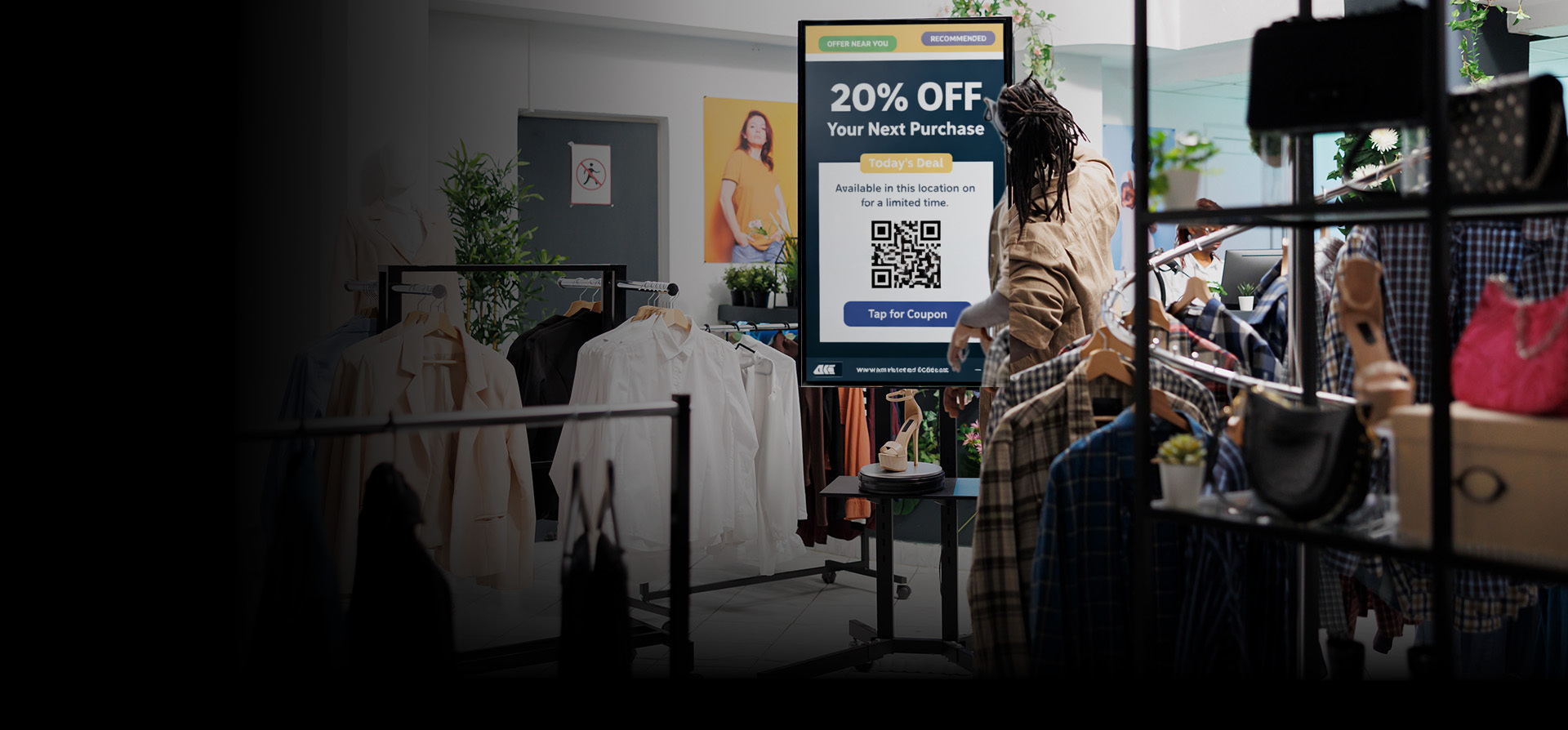
Today's deal20% off, tonight only
Chilled aisle · three steps left
Scan for the coupon · redeemed at the till
Chosen from- proximity
- context
- campaign rules
- Same screen
- Same campaign
- Same schedule
- Same hub
Set onceWhat the cloud decides
The buying side of the platform, done ahead of time and pushed down the line before it is ever needed.
- Campaign rules — frequency, scheduling, product types
- Creative, delivered through the CDN into the venue’s cache
- The schedule each screen works from
- Demand — programmatic and non-programmatic, through open APIs
Read liveWhat the hub reads
The context only the room has — which is the entire reason the decision lives on the VeeaHub.
- Indoor position and proximity, linked to in-store beacons
- Computer vision and context
- Ad performance, viewer attentiveness, demographics, shopper preferences
- The till, through the integrated POS API
AdEdge is one platform wearing three commercial hats: a retail-media layer for the store that owns the shelves, sellable inventory for whoever owns the screens, and a second income for the operator whose hubs are already on the wall.
RetailersThe store becomes retail media
The campaign and retail-media layer for approved cart and in-store surfaces — relevance delivered closer to the physical point of decision.
- Campaigns chosen at the aisle, for the aisle
- Context-based offers and coupons beside the product
- Optional POS and loyalty integration that reports the conversions
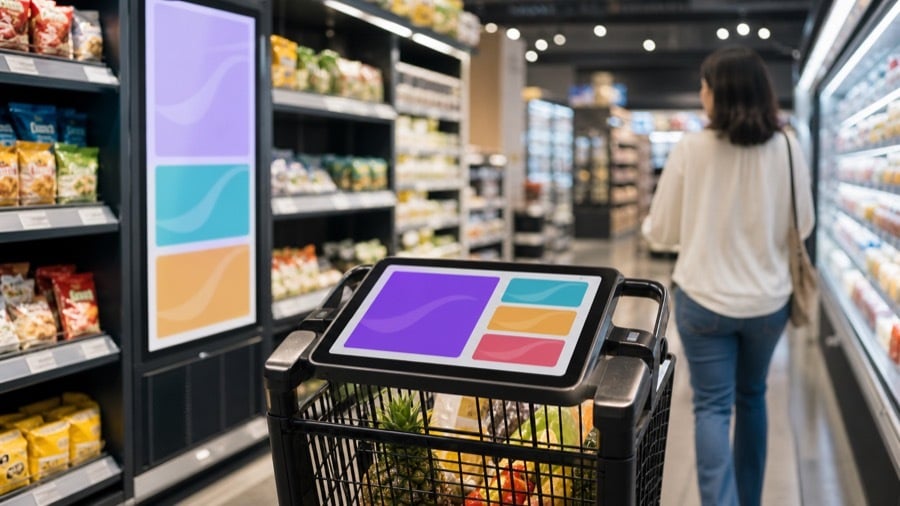
- TROLLEE smart-cart surfaces, where carts are deployed
Media ownersInventory with proof behind it
Campaigns sold against an inventory of digital out-of-home displays — programmatic and non-programmatic, through open APIs.
- Retail locations, transportation centers, stadiums, restaurants
- Smart-city deployments on the same platform
- Campaign rules by frequency, scheduling and product type
- Local attribution, solid enough to bill on
OperatorsA second income from deployed hubs
Local advertising served through the edge platform creates a secondary income stream from a network that is already doing other work.
- Runs on VeeaHubs already on site
- An add-on service beside SecureConnect on digital displays
- Enabled by vTBA on private 5G in retail environments
- Managed alongside the rest of the estate
One campaign can cover an estate, but no screen waits on another — each venue’s hub carries its own cache, its own positioning and its own rules. Scale changes how many decisions are being made, and nothing about where.
Screen 23 · chilled aisle
- Now playing
- Tonight’s offer, out of local cache
- Chosen because
- a shopper in range, this hour, and the campaign rules allow it
- Served by
- the VeeaHub in this venue — no round trip
- Reported
- the play and the conversion, attributed for billing
The console talks the same way, per venue and per screen:
- Screens
- Campaigns
- Booked inventory
- Location rates
- Reports
The surfaces are anything the platform can reach: smart shopping carts, digital signage, DOOH displays, AR and MR devices, the store within the store.
Retail is where the loop closes fastest — and the same inventory model extends to transportation centers, stadiums, restaurants and smart-city displays.
-
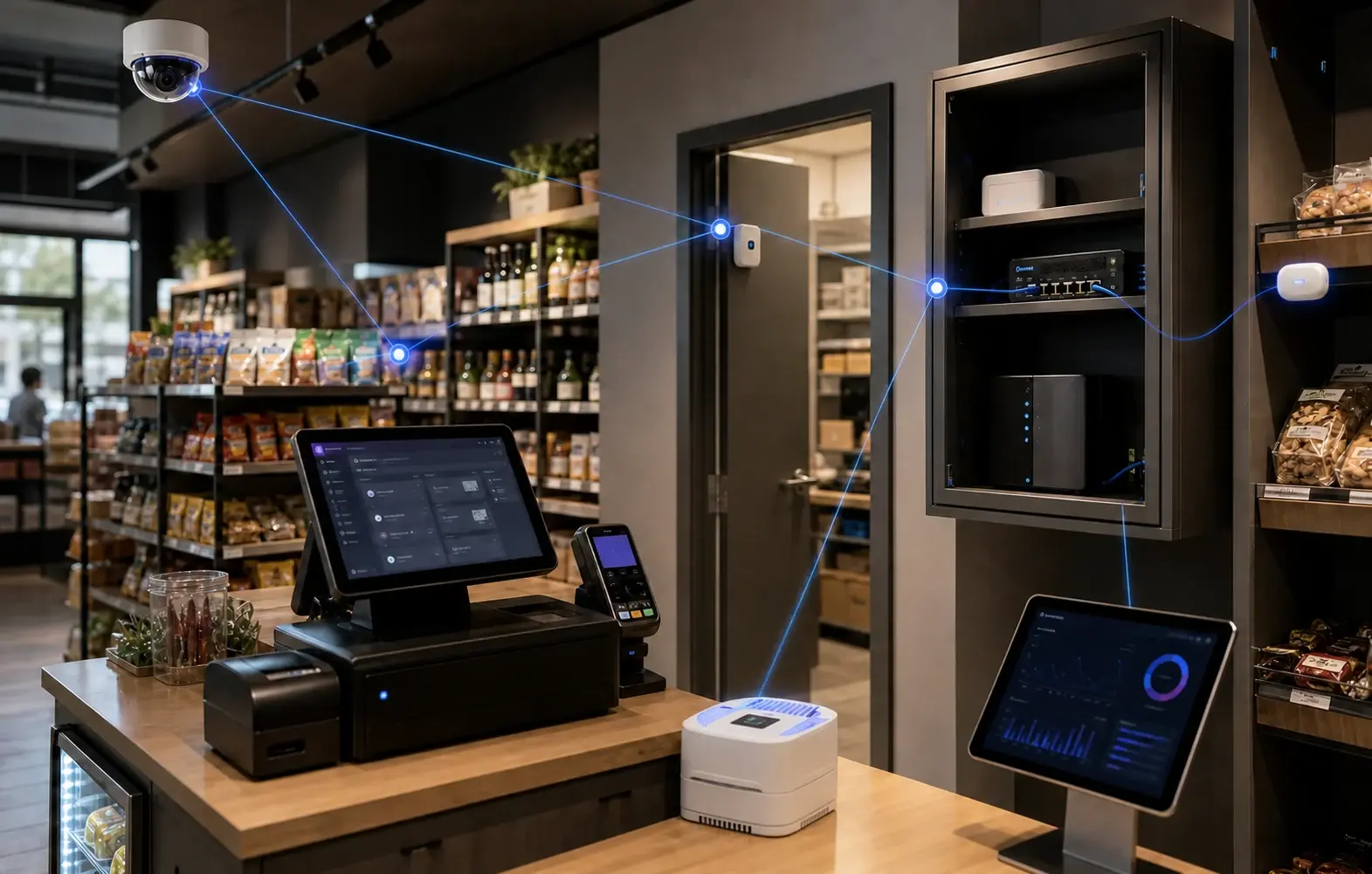
Checkout & POS
The till, the card terminal and the camera already meet on one hub - the same box AdEdge's POS API talks to.
-
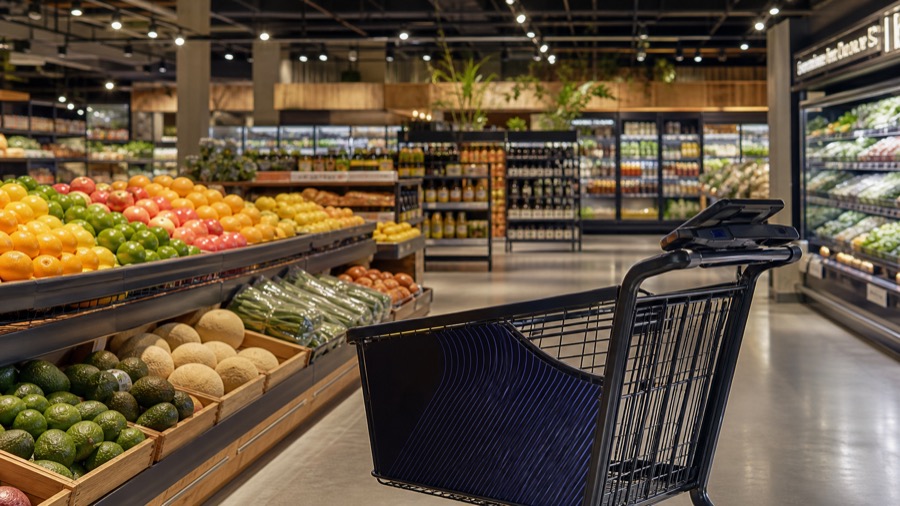
Grocery chains
Cooler doors and cart tablets carrying one campaign, decided per aisle and per moment.
-
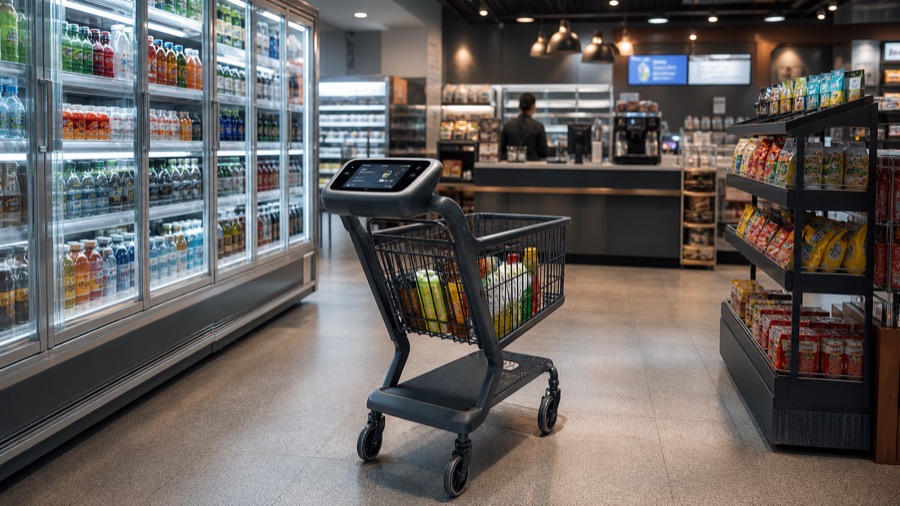
Convenience stores
Small floors where the screen, the coupon and the till are steps apart - the loop AdEdge closes.
-
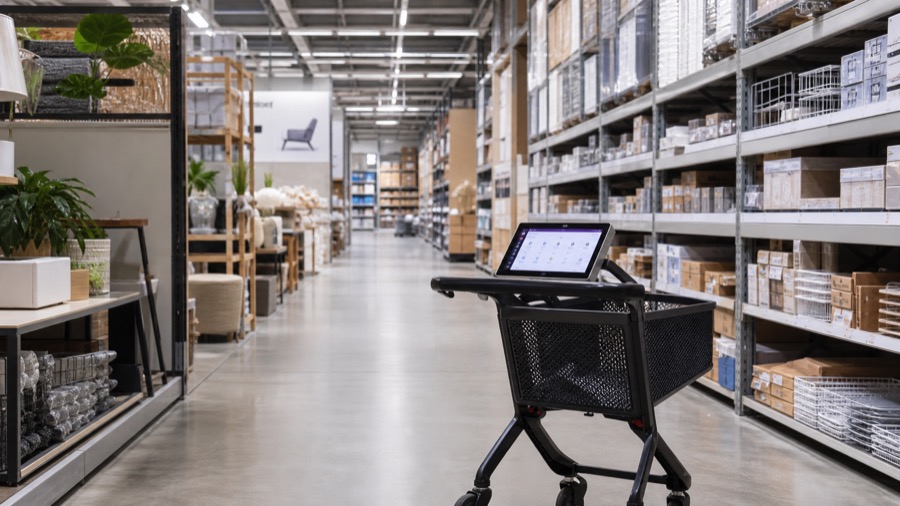
Large-format retail
Long aisles and big estates: one campaign everywhere, chosen locally everywhere.
Activation depends on retailer systems, privacy requirements, supported surfaces, campaign configuration, and deployment scope.
-
.png)
VigiLynx™
Connect, protect, and operate every business location.
Learn more -

TerraFabric™
The control plane for governed autonomous systems at the edge.
Learn more -
AirLynx™
Broadband at home. Opportunity at the door.
Learn more -

MetaLynx™
Bridging ecosystems, transforming spaces with edge-intelligent automation.
Learn more